Day trips from Tokyo: Nikko, Kamakura, Hakone or Mount Fuji, which to choose
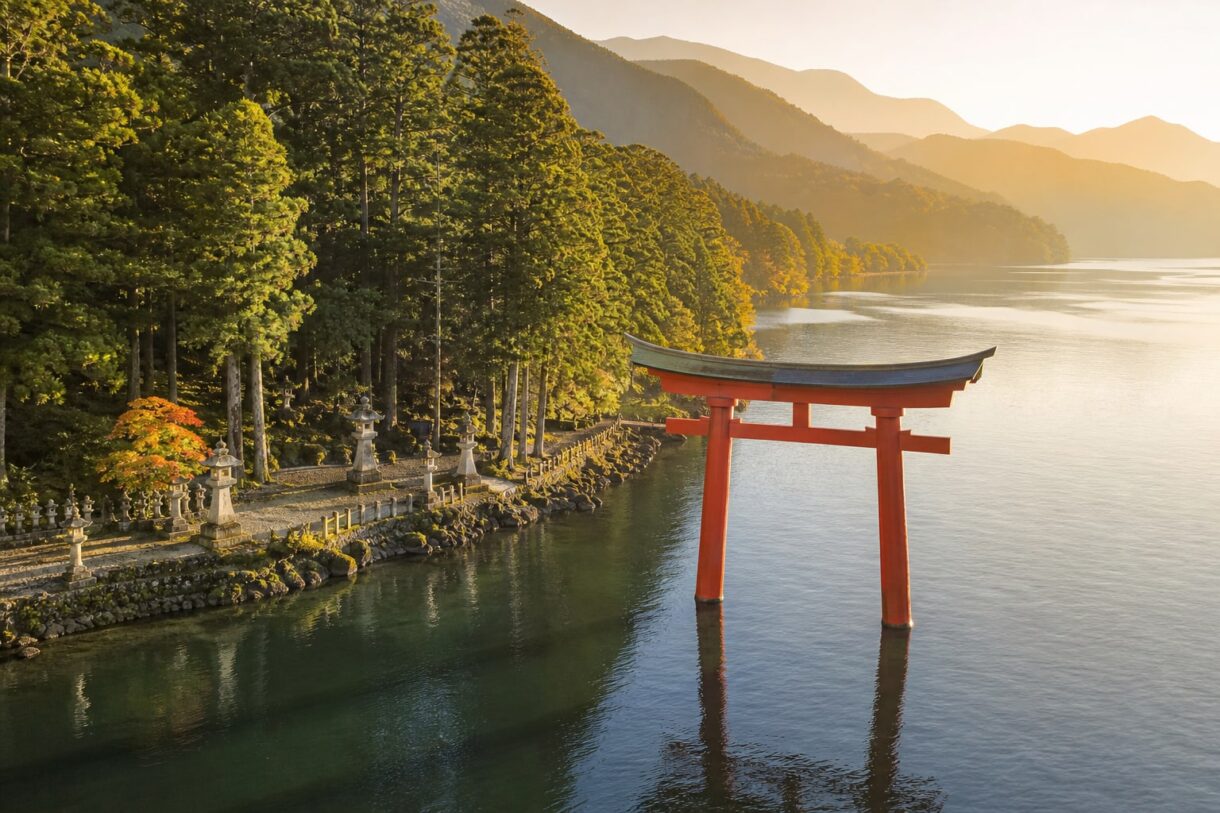
The short answer: which day trip to pick depending on your trip
If you only have one free day in Tokyo and you’re torn between Nikko, Kamakura, Hakone or Mount Fuji, the quick answer is this: Kamakura if you want something close, cheap and combinable with the beach; Hakone if you’re after onsen and, with a bit of luck, seeing Fuji without getting up too early; Nikko if architecture is your thing (the Tōshō-gū shrines are in a league of their own); and the area of the five Fuji lakes if your priority is the volcano up close, accepting you may end up with white sky and not see it.
This guide is useful if you’re visiting Japan for the first time, you have the Japan Rail Pass or plan to buy regional passes, and you want to decide without wasting a morning reading forums. If you’re still planning the big trip, it’s best to first settle how many days to spend in Tokyo, Kyoto and Osaka so you know how many excursions you can realistically fit in.
Why these four and not others
All four are between one and two and a half hours from Tokyo by train, have tourist infrastructure with English or Spanish information, and cover very different things: Buddhist temples by the sea (Kamakura), a Shinto complex designated a World Heritage Site in 1999 (Nikko), volcanic hot springs in an active caldera (Hakone) and Japan’s national icon seen from its base (Fuji). There are other options—Yokohama, Kawagoe, Enoshima—but none packs as much into a single day as these.
Quick comparison table
| Destination | Time from Tokyo | Approx. round-trip cost | Recommended pass | Best for |
|---|---|---|---|---|
| Kamakura | 55-70 min | 1,900-2,500 ¥ | Enoshima-Kamakura Freepass | Temples, beach, tight budget |
| Nikko | 2 h-2 h 20 min | 2,700-5,500 ¥ | Nikko All Area Pass (Tobu) | Architecture, nature, autumn |
| Hakone | 1 h 25 min-2 h | 4,000-6,000 ¥ | Hakone Free Pass (Odakyu) | Onsen, lakes, seeing Fuji without getting up too early |
| Mount Fuji (5 lakes) | 2 h-2 h 30 min | 4,000-7,000 ¥ | Fuji Hakone Pass | Seeing the volcano up close |
Approximate prices for 2026, standard tourist class. They vary depending on your exact departure point in Tokyo and the type of train.
Kamakura: the closest and the most rewarding
About 55 minutes from Tokyo Station on the JR Yokosuka Line, Kamakura was Japan’s political capital between 1185 and 1333 under the Kamakura shogunate. What remains today is about 65 temples and shrines scattered between hills and sea, the great bronze Buddha at Kōtoku-in (about 13 metres, 13th century) and a historic tram line, the Enoden, which runs along the coast to Enoshima.
The short plan that works: get off at Kamakura Station, walk up to Tsurugaoka Hachimangū, head down to Kōtoku-in and to Hase-dera temple (with views over Sagami Bay), and finish on a beach in Enoshima at sunset. Entry to the great Buddha costs around 300 ¥, and going inside the statue is another 50 ¥.
For lunch, the Komachi-dōri street is crowded but convenient; better to detour into the parallel alleys to try shirasu-don, a bowl of rice topped with baby eel, a local specialty. Odakyu’s Enoshima-Kamakura Freepass, covering the return trip from Shinjuku plus unlimited use of the Enoden, costs around 1,640 ¥.
Who Kamakura suits
First-timers in Japan with little time, couples or families with children, a tight budget, and a desire to combine culture with beach time. It’s also the best option if you’re visiting in summer and Tokyo is sweltering: the sea breeze helps.
Nikko: golden shrines among cedars
About 2 hours from Tokyo on Tobu’s limited express train from Asakusa, Nikko is Japan’s most ornate religious complex. The Tōshō-gū shrine, the mausoleum of the shogun Tokugawa Ieyasu completed in 1636, is a display of black lacquer, gold leaf and polychrome carvings unlike anything else in the country. UNESCO inscribed the complex in 1999.
Admission to Tōshō-gū costs around 1,600 ¥. With another half day you can take a bus up to Chūzenji, a volcanic lake at 1,270 metres, and to the Kegon falls, which drop almost 100 metres. In October and early November the kōyō (maple colour) turns the road through the Irohazaka bends into a considerable traffic jam: go on a weekday and set out early.
Tobu’s Nikko All Area Pass, valid for two or four days, costs around 4,780-6,040 ¥ from Asakusa and includes the train, mountain buses and access to Chūzenji. If you’re only going for a day and staying in the historic centre, the basic World Heritage Area pass (around 2,120 ¥) is more than enough.
Who Nikko suits
Travellers interested in history and architecture, autumn visitors (if you accept crowds), a mid-range budget. Don’t choose it if you want to see Fuji or if you’re travelling with very young children: there are lots of steps and the mountain bus transfers are long.
Hakone: onsen, cable car and views of Fuji
Hakone is inside the Fuji-Hakone-Izu National Park and is reached in 85 minutes from Shinjuku on Odakyu’s Romancecar train. Hakone’s appeal isn’t a single monument but the circuit: mountain train to Gōra, funicular, cable car over the sulphurous valley of Ōwakudani (you can eat the black eggs boiled in the hot springs which, according to local tradition, add seven years to your life), a pirate ship across Lake Ashi and a bus back. With luck and a clear sky, Fuji appears above the lake.
Odakyu’s Hakone Free Pass covers the round trip from Shinjuku and all internal transport. Two days cost around 6,100 ¥ from Shinjuku. If you stay in a ryokan with a private onsen (from 15,000 ¥ per person for modest options, much more for the classics), Hakone stops being a day trip and becomes a one-night getaway, which is how it’s best enjoyed.
Who Hakone suits
Couples, travellers who want to try an onsen without fuss, a mid-to-high budget. If your main goal is to see Fuji in full view, Hakone is a reasonable plan B, not the first choice.
Mount Fuji: seeing it up close without climbing it
Climbing Fuji is only permitted in July, August and early September, and since 2024 there are quotas and a 2,000 ¥ fee on the Yoshida trail. For 95% of travellers, the plan is to see it from below, and the best spot is the area of the five lakes (Fujigoko), on the north side.
From Shinjuku Station, the express bus to Kawaguchiko takes about 2 hours and costs around 2,200 ¥ one way. By train, the direct Fuji Excursion is slightly faster but more expensive. Once there, the Kachi Kachi cable car rises to a viewpoint over Lake Kawaguchi (900 ¥ return), and the gardens of the Chureitō pagoda, 400 steps from Shimoyoshida Station, give the classic photo of a red pagoda with Fuji behind it.
The problem: Fuji is covered for more than half the days of the year. The months with the best visibility are November, December, January and February, in the early mornings. If you go in summer, be prepared not to see it. To fit it into your calendar, check when to visit Tokyo based on cherry blossoms, rain and typhoons.
Who Fuji suits
Travellers for whom the icon is the absolute priority and who have room to accept they may not see it. If you’re travelling June-September, think twice.
Train passes and combinations
The Japan Rail Pass covers access to Kamakura (JR line) and part of the journey to Nikko (as far as Utsunomiya by Shinkansen, then the JR Nikko line). It does not cover Hakone (that’s Odakyu) or the buses to Kawaguchiko. If your pass is active and you’re going to Nikko, calculate whether the JR section works out cheaper than the direct Tobu from Asakusa; in 2026, with the JR Pass more expensive, the Tobu usually remains the better deal if you don’t have an active pass that day.
Realistic combinations in one day: Kamakura + Enoshima works well. Hakone + Fuji also works, with the Fuji Hakone Pass (around 9,000-10,000 ¥, three days), but you leave Tokyo early and return late. Nikko + nothing else: two hours each way, no time for more.
Common mistakes
- Going to Nikko on a Sunday in October without booking the return train: you’ll stand for two hours or wait for the next one.
- Buying the Hakone Free Pass if you’re only making one stop: sometimes single tickets work out cheaper.
- Planning Fuji without a plan B: if it’s cloudy when you wake up in Tokyo, switch to Kamakura. The bus ticket to Kawaguchiko is personal but refundable for a fee.
- Confusing Hakone with climbing Fuji: they are two different plans. From Hakone you see Fuji from a distance; you are not on it.
Frequently asked questions
What is the cheapest day trip from Tokyo?
Kamakura, without question. With the Enoshima-Kamakura Freepass and a meal at a neighbourhood restaurant, the full day comes in under 4,000 ¥ per person.
Can you do Nikko and Hakone on the same day?
No. They are in opposite directions and each requires half a day of travel. Book a full day for each.
Is the Japan Rail Pass worth it just for these day trips?
Almost never. The 7-day JR Pass has cost over 50,000 ¥ since 2023. To make it pay off you need at least a Tokyo-Kyoto-Tokyo trip on the Shinkansen. For individual day trips, regional passes are more efficient.
Can I see Mount Fuji from Tokyo without leaving the city?
Yes, on clear winter days, from viewpoints such as the Tokyo Metropolitan Government Building or Shibuya Sky. It’s not the same as having it in front of you at Kawaguchiko, but it saves you a whole day.
Are these day trips accessible with small children?
Kamakura and Hakone, yes: short distances and frequent transport. Nikko requires more walking and stairs. Fuji by bus becomes long for children under 5.
If you only have one day: the sensible choice
If it’s your first time in Japan, you’re travelling in spring or autumn and want to return to Tokyo feeling you’ve seen something different without exhausting yourself, choose Kamakura. If you already know Japan or are after the Fuji photo, block out two consecutive days with a good weather forecast and do Hakone + Kawaguchiko with the Fuji Hakone Pass, sleeping one night in a ryokan. Leave Nikko for a second trip, when you can give it the 48 hours it truly deserves.
Tips Places of Interest #consejos de viaje #excursiones #Japón #rutas turísticas #Tokio
 Don't get fooled: plan your trip well and avoid these scams on your holidays
 Central Macedonia, the destination Spaniards have discovered to fall in love with Greece
 Summer in Brussels: flowers, festivals and typical gastronomy