Best beaches in Indonesia in 2026: beyond Bali, Sumba, Flores and the Gilis
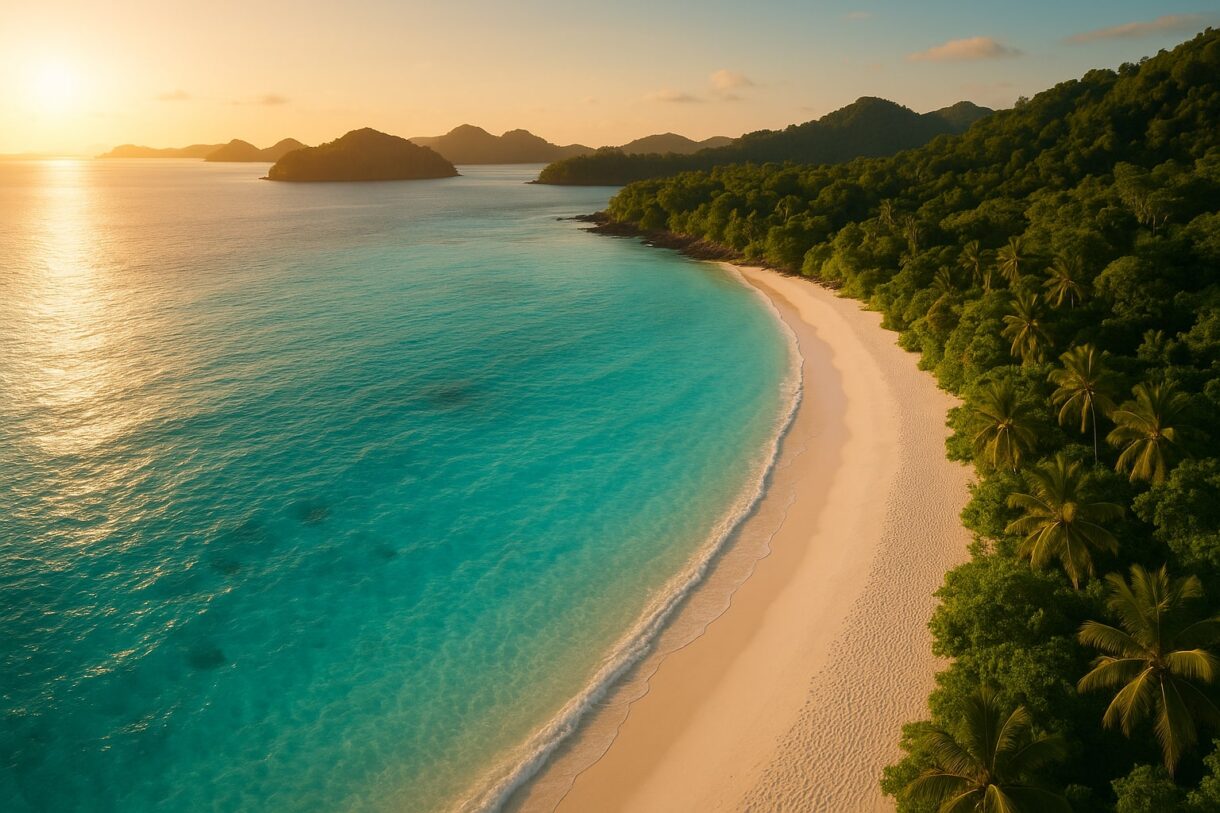
For two decades Bali has been Indonesia’s gateway, and that toll shows: Canggu with scooter jams at dawn, Uluwatu with cliffs packed with cameras, and beer prices closer to Lisbon than to Southeast Asia. The good news is that the archipelago has more than 17,000 islands and that leaving Bali’s orbit doesn’t require being a seasoned backpacker: a one-hour domestic flight and some patience with local schedules is enough.
This article is aimed at those looking for beaches with context — a living culture behind the sand — and who don’t mind swapping the avocado brunch for grilled fish at a warung with no menu. We focus on three areas that in 2026 attract travelers who want to escape the noise: Sumba, Flores and the Gili Islands.
Why look beyond Bali in 2026
Bali still works, but the model is under strain. In 2024 provincial authorities introduced a tourist levy of 150,000 rupiah (about €8–10) per foreign visitor, and the debate over overcrowding in Ubud and the south of the island is constant in the local press. Flying into Denpasar and staying there is no longer the only sensible option: the airports of Labuan Bajo (Flores), Tambolaka and Waingapu (Sumba) have daily connections from Bali and Jakarta with Wings Air, Batik Air and Citilink.
The other reason is cultural. Sumba preserves marapu, an animist belief system with very high-roofed houses and megalithic stone funerals. Flores blends Portuguese Catholicism with Manggarai traditions. The Gilis, though small, keep a rule Bali lost long ago: no cars or motorbikes.
Sumba: wild beaches and marapu culture
Sumba lies south of Flores, in the province of East Nusa Tenggara. It is dry, rolling, more like African savanna than the typical tropical postcard. The west coast beaches are the most striking: limestone cliffs, long waves and traditional villages ten minutes away by car.
Nihiwatu Beach (Nihi Sumba)
Nihiwatu, on the west coast, is known for its right-hand wave called Occy’s Left and for the luxury resort that partly occupies it. The public beach is reachable on foot from the village of Hobawawi. Golden sand, no umbrellas, no beach bars. If you plan to surf, the wave requires intermediate-to-advanced level and the hotel imposes a daily quota system.
Watu Maladong and Marosi Beaches
Watu Maladong has a rock with a hole, in the style of Morocco’s Legzira. Marosi is a tongue of sand several kilometers long, almost always empty, with strong currents: swimming is only recommended in sheltered areas. Both are about 30–45 minutes by car from Waikabubak, the island’s second city.
How to get to Sumba and when to go
Daily flights from Denpasar to Tambolaka (west) or Waingapu (east), around 1 hour 40 minutes and €40–70 one way in 2026. The best season runs from May to October, dry and with fewer mosquitoes. In January and February it rains heavily and many dirt tracks become impassable. Hiring a car with driver costs around €40–55 per day.
Flores: between volcanoes, dragons and pink coves
Flores has become the gateway to Komodo National Park, but limiting it to the dragons is a mistake. The island measures roughly 350 km from east to west and has volcanic beaches, living coral reefs and villages such as Bena, with conical houses and megaliths.
Pink Beach (Pantai Merah) and the beaches of Komodo NP
Pantai Merah (Pink Beach) owes its color to crushed red coral mixed with white sand. It lies within Komodo National Park and is only accessible by boat from Labuan Bajo. The park entrance fee for foreigners is around 300,000–500,000 rupiah (about €17–28) depending on the day and season; check current rates at the park office before boarding, as they have changed several times in recent years.
Koka Beach and the south coast near Maumere
Koka Beach, halfway between Ende and Maumere, consists of two twin bays separated by a headland. There is barely any infrastructure: a couple of warungs serving grilled fish, rice and sambal for 40,000–60,000 rupiah (about €2.50–3.50). You reach it by car along the Trans-Flores road, the only paved route crossing the island.
Getting around Flores
The most common approach is to hire a car with driver for 4–7 days following the route Labuan Bajo — Bajawa — Kelimutu — Maumere. It costs €50–70 per day including fuel. Domestic flights between Labuan Bajo and Ende operate with Wings Air, though they are often delayed; allow a buffer if you have an international connection.
Gili Islands: three islands, three rhythms
The Gilis are three islands off the northwest coast of Lombok: Gili Trawangan, Gili Meno and Gili Air. No motorized vehicles, no dogs (due to local Muslim regulations), with cidomos — horse-drawn carts — as transport. The coral reef has suffered from bleaching, but green turtles and hawksbill turtles are still visible while snorkeling from the shore.
Gili Trawangan: the party island with nuances
Trawangan is the largest and liveliest. The east coast concentrates the accommodation and bars; the west has better sunsets and less noise. It can be walked in 2 hours or explored by bicycle (rental around 50,000–70,000 rupiah per day).
Gili Meno: the quiet one for couples
Meno is the smallest and quietest. Its salt-water inner lagoon and the underwater sculptures of Nest (the work of sculptor Jason deCaires Taylor, installed in 2016) are the specific attractions. Snorkel from the northeast beach, about 15 minutes’ swim away.
Gili Air: a balance between atmosphere and calm
Air is the closest to Lombok and the one most travelers prefer if they want life without excess. Indonesian cafés, yoga classes, and diving with PADI centers at prices similar to Bali (€35–45 per single dive in 2026).
How to get to the Gilis
Fast ferry from Padang Bai (Bali) to Gili Trawangan: 2 hours and €25–40 one way. There are also cheaper public ferries from Bangsal (Lombok), 15,000–20,000 rupiah, about 15 minutes.
How to organize the trip in 2026
To combine the three areas you need between 12 and 16 days. A reasonable itinerary: 3 nights on the Gilis, 5 in Flores (with Komodo included), 4 in Sumba. The dry season runs from May to October; July and August are the months with the most European visitors and also the highest prices.
| Item | 2026 range |
|---|---|
| Domestic flight Bali–Labuan Bajo | €45–90 |
| Car with driver/day | €40–70 |
| Meal at a warung | €2.50–5 |
| Diving (one dive) | €30–50 |
| Komodo NP entrance | €17–28 |
If you’re still exploring Southeast Asia, you also have our guide to the best beaches in the Philippines in 2026, with Palawan and Siargao as similar-profile alternatives to Bali.
What to bring back
A hand-woven Sumbanese ikat, bought directly in villages such as Prailiu (Waingapu) or Kaliuda. Prices range from €40 to €300 depending on age and the quality of the natural dye. Ask about the indigo and morinda techniques: that is what distinguishes a collector’s piece from an industrial copy. For the return flight, Krakatoa by Simon Winchester gives geological and colonial context to the archipelago without falling into exoticism.
If you’re looking for another route of Asian beaches with fewer crowds, the coast of Trang and Koh Kood appear in our selection of best beaches in Thailand in 2026.
Frequently asked questions
When is the best time to visit Indonesia’s beaches in 2026?
From May to October, the dry season. July and August have the most European travelers and high prices; June and September offer good weather and fewer people. Between December and February it rains heavily, especially in Flores and Sumba.
Can you travel to Sumba or Flores with children?
Yes, with some caveats. Flores is more accessible in terms of healthcare infrastructure and roads. In Sumba distances are long, tracks uneven and there are fewer hospitals. Check your international vaccination certificate and bring insect repellent against dengue.
Do you need a visa to go to Indonesia?
Spanish citizens can obtain a Visa on Arrival for 30 days, extendable by another 30, at an approximate cost of 500,000 rupiah (about €30). It is paid at the airport in cash or by card. Check the current requirements on the Indonesian immigration website before traveling.
Are the Gilis safe for swimming?
Generally yes, but there are strong currents between Trawangan and Meno. Do not swim between islands and respect the flags of the dive schools. The most common injuries are coral cuts: wear reef shoes if you snorkel from the shore.
Is it worth going to Indonesia just for the beaches?
It depends on your profile. If you want full-service beach holidays, Thailand or the Philippines are more convenient. Indonesia shines when you combine beaches with volcanoes, world-class diving and living cultures such as marapu or the Manggarai. It is a trip of context, not just sand.
Places of Interest Leisure and Culture #Guía de viaje #Indonesia #islas #playas #Turismo cultural
 Don't get fooled: plan your trip well and avoid these scams on your holidays
 Central Macedonia, the destination Spaniards have discovered to fall in love with Greece
 Summer in Brussels: flowers, festivals and typical gastronomy
Comentarios cerrados