Best beaches in Mexico in 2026: Oaxaca, Yucatán and Pacific coves without resorts
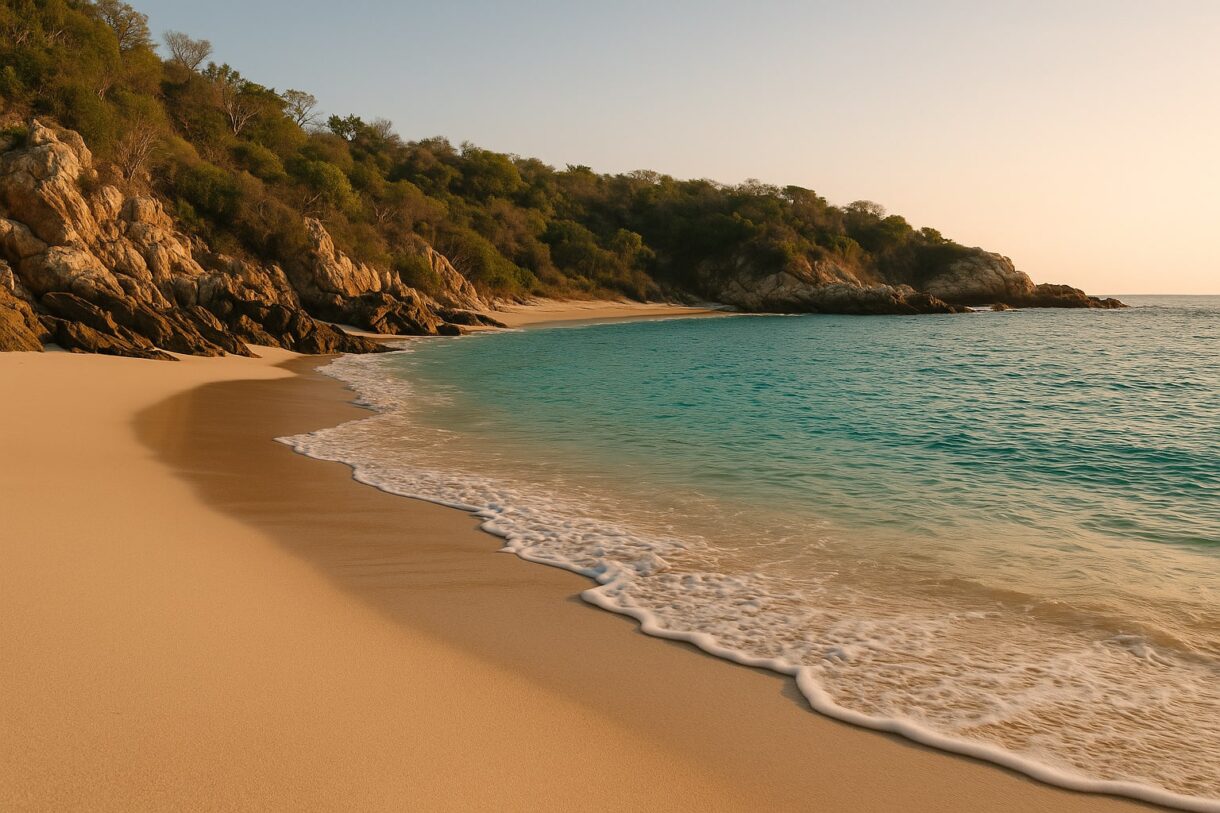
There is a Mexico of beaches that doesn’t fit in the Cancún brochures or in the towers of Los Cabos. It’s the one along a federal highway that narrows between mangroves, the one where a fisherman sells you freshly caught dorado from a plastic cooler, the one with a hammock strung between two palm trees, no wifi and no all-inclusive wristband. That Mexico still exists in 2026, although a little smaller every year.
This guide is for travelers who journey for gastronomy, local culture and landscape, and who would rather rent a family palapa than sit in an air-conditioned lobby. We focus on three fronts: the Oaxacan coast, the Pacific coves between Michoacán and Jalisco, and the less-visited beaches of Yucatán and Quintana Roo. No empty rankings: where they are, how to get there, what to eat and what to respect.
Why seek beaches without resorts in Mexico in 2026
For decades the resort model concentrated investment in Cancún, the Riviera Maya and Los Cabos. The outcome is well known: poorly managed sargassum, prices in dollars and communities displaced inland. In contrast, fishing cooperatives and ejidos have developed small-scale tourism, with wooden cabins, family dining rooms and rates in pesos.
Traveling this way in 2026 has an added advantage: the Secretaría de Turismo has pushed the coastal Pueblos Mágicos program (Sayulita, Todos Santos, Isla Mujeres, Sisal), and several protected natural areas have reinforced their access fees, which limits mass tourism but requires advance planning.
Oaxacan coast: between Mazunte, Zipolite and San Agustinillo
The Oaxacan strip between Puerto Ángel and Puerto Escondido holds the most interesting beaches of the southern Pacific. Mazunte is home to the Mexican Turtle Center and operates under community regulations that prohibit buildings taller than three stories. Zipolite, Mexico’s only officially nudist beach, keeps an atmosphere of palapas and artisanal mezcal; the surf is strong, with dangerous rip currents marked by flags.
San Agustinillo, in between, is the quietest: a half-moon of golden sand, wood-fired kitchens and guesthouses at 700 to 1,500 pesos a night outside high season. Eat tikin xic fish or a tlayuda with Reyes Etla quesillo at any of the seafront eateries. Getting there: shared colectivo from Pochutla (about 25-30 pesos) or shared taxi from the Huatulco airport, just over an hour away.
Playa Cangrejo and La Boquilla, the least accessible
East of Puerto Ángel, Playa Cangrejo and La Boquilla require a boat from Puerto Ángel (roughly 200-300 pesos per person round trip, negotiable). There are no services: bring water and shade. La Boquilla’s rocky bottom offers decent snorkeling between October and April, when the water is clearer.
Central Pacific coves: Michoacán, Colima and Jalisco
Between Manzanillo and Puerto Vallarta lies a coastline that most travelers skip by plane. That is a mistake. The Jalisco Costalegre preserves coves such as Playa Careyes, Tenacatita (reopened to the public after years of access disputes) and Playa Boca de Iguanas, where camping is allowed and rustic palapas are available.
In Michoacán, Playa Maruata, in Nahua territory, is probably the most photogenic cove on the coast: three bays separated by rock formations and a natural arch called el Dedo de Dios. The community charges a symbolic access fee (around 30-50 pesos) and runs basic cabins. It is a black turtle nesting area from June to December; respect the nighttime signage.
If you’re looking for something between Puerto Vallarta and San Blas, Sayulita is already saturated, but San Pancho (San Francisco) and especially Playa Los Muertos de Sayulita on a weekday remain reasonable. For a contrast with other coasts in Southeast Asia, you might be interested in this guide to Vietnam’s beaches in 2026, which works with similar community logics.
Yucatán and the north coast: Sisal, El Cuyo and Holbox without filters
The Yucatán peninsula is not just Tulum. The north coast, bathed by the Gulf, offers warm water, minimal surf and fishing villages where Maya octopus is still caught with a jimba (wooden rod).
Sisal, a Pueblo Mágico since 2020, was the main henequen port of the 19th century. Today it has a long, lightly built beach, with family cabins between 900 and 1,800 pesos. It is just under an hour’s drive from Mérida via federal highway 25.
El Cuyo, at the eastern tip of Yucatán, borders the Ría Lagartos Reserve: pink flamingos, salt flats and a village with sand streets. It is reached by dirt road from Colonia Yucatán, about three hours from Cancún. Holbox, better known, has become pricier and busier with golf carts; visit midweek and in the low season (September-October, with a risk of rain).
Xcacel-Xcacelito, a turtle refuge south of Tulum
Between Akumal and Tulum, Xcacel-Xcacelito is a nesting sanctuary for loggerhead and green turtles. Entry costs around 50 pesos and daily capacity is limited. There are no commercial palapas or bars: just sand, a freshwater cenote at the water’s edge and scrubland. Arrive early by car from Highway 307.
How to organize the visit
For Oaxaca, fly to Huatulco (HUX) or Puerto Escondido (PXM) from CDMX (2-4 daily flights, between 1,500 and 4,000 pesos one way depending on how far in advance you book). For the central Pacific, Manzanillo (ZLO) or Puerto Vallarta (PVR), with a rental car essential. For Yucatán, enter via Mérida (MID) instead of Cancún: cheaper in high season and closer to Sisal and Celestún.
| Area | Best season | Approx. daily budget |
|---|---|---|
| Oaxaca Coast | Nov-April (dry) | 900-1,800 MXN |
| Central Pacific | Dec-March | 1,200-2,500 MXN |
| North Yucatán | Nov-March | 1,000-2,000 MXN |
Avoid Semana Santa and the last two weeks of December: prices double and everything is saturated. The hurricane season runs from June to November; September is the rainiest month.
What to bring back
A bottle of Miahuatlán mezcal with a maguey worm if you return through Oaxaca, or a bag of Cuyutlán salt (Colima) if you pass through the central Pacific. The day after your trip, book a table at a seafood restaurant in your city and order green aguachile: you’ll understand better why Mexican coastal cooking uses what was caught that same morning. And if the beach bug still bites, take a look at this selection of Philippine beaches for 2026: another archipelago, same philosophy of avoiding the resort.
Frequently asked questions
What are the best beaches in Mexico without resorts in 2026? Mazunte, San Agustinillo and Zipolite in Oaxaca; Maruata in Michoacán; Tenacatita in Jalisco; Sisal, El Cuyo and Xcacel on the Yucatán peninsula. All maintain small-scale infrastructure and local management.
Is it safe to travel along the Oaxacan coast by road? Federal Highway 200 is in good condition between Huatulco and Puerto Escondido. It is recommended to drive during the day, avoid nighttime stretches in Guerrero and check National Guard advisories before long routes.
When is the best time to see turtles nesting? On the Oaxacan and Michoacán Pacific, between July and December (olive ridley and leatherback). At Xcacel (Caribbean), from May to October for loggerhead and green turtles. Never use flashlights or flash on the beach at night.
Can you camp on Mexican beaches? At many of those mentioned, yes, paying a fee to the community or cooperative (50-150 pesos per tent). Boca de Iguanas and El Cuyo are common options. Always ask before pitching a tent.
How much does a one-week trip to the Oaxacan coast cost? With domestic flights from CDMX, simple cabin accommodation, meals at local eateries and colectivo transport, budget between 12,000 and 18,000 pesos per person in mid-season.
Places of Interest Leisure and Culture #destinos #Guía de viaje #playas #Turismo rural #Turismo sostenible


 Don't get fooled: plan your trip well and avoid these scams on your holidays
 Central Macedonia, the destination Spaniards have discovered to fall in love with Greece
 Summer in Brussels: flowers, festivals and typical gastronomy
Comentarios cerrados