Best Caribbean beaches in 2026: Dominican Republic, Cuba and the less-known Lesser Antilles
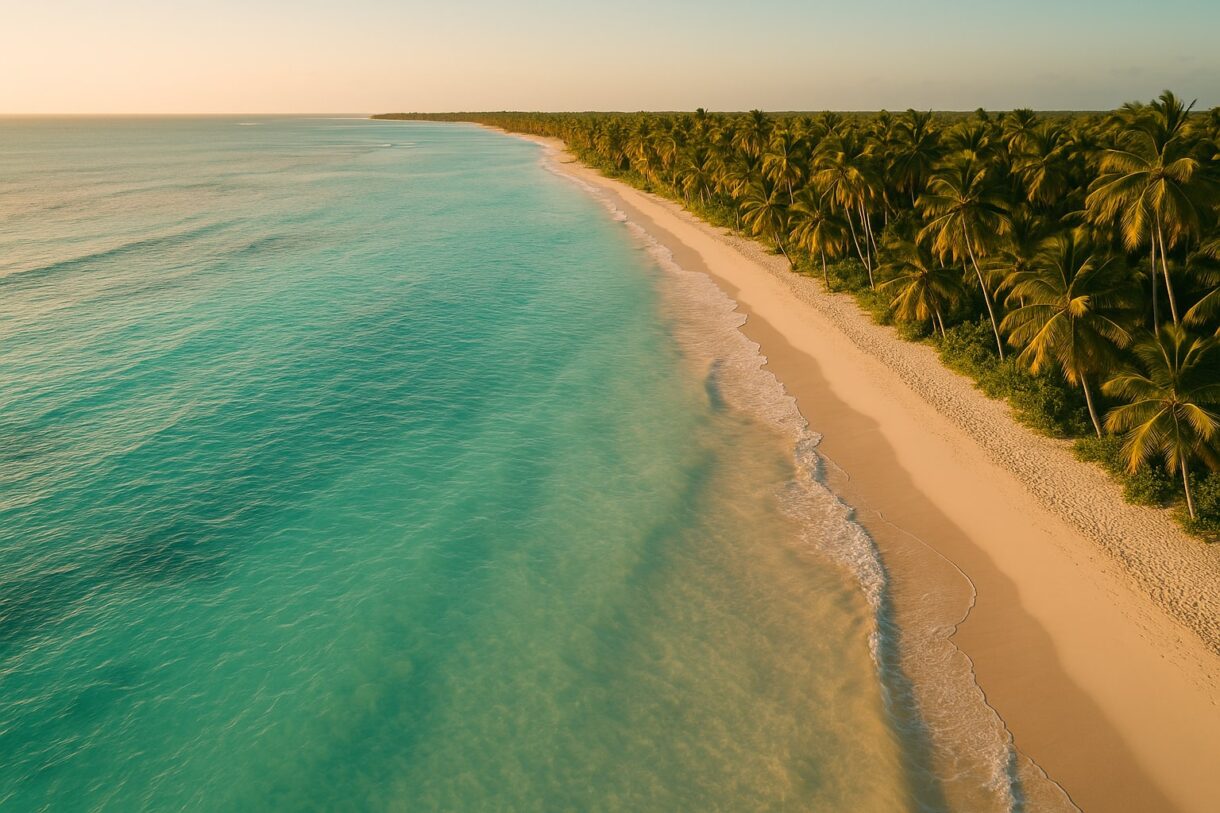
Talking about the Caribbean as if it were one single thing is the first mistake. Between the north coast of the Dominican Republic and the black beaches of Montserrat there is more difference than between Cádiz and Istanbul: different languages, different currencies, colonial legacies that range from Spanish to Dutch by way of French, and sands that shift from flour-white to volcanic grey within a few nautical miles.
This guide is for anyone who wants to set foot on Caribbean sand in 2026 without ending up at a resort pool with a plastic wristband. We mix the classics that still deserve a visit—if you know where to go—with islands almost nobody mentions: Dominica, Saba, Bequia or Montserrat. No inflated rankings; just what we have seen work and what is worth knowing before you book the flight.
What to expect from the Caribbean in 2026
The Caribbean is not a cheap destination, and it’s worth saying so early. Flight prices from Europe have risen steadily since 2022, and tourist taxes have multiplied on several islands. In return, the offer has diversified: there are more direct flights to San Juan, Punta Cana and Havana, and better inter-island connections with LIAT20 and interCaribbean.
The dry season runs from December to April. It is when the sea is calmest and it rains least, but it is also when prices soar. May and June are the sweet spot: high temperatures, lower prices and still little rain. The official hurricane season runs from 1 June to 30 November, peaking between August and October.
Dominican Republic: beyond Punta Cana
Punta Cana works if you’re looking for a resort, and there’s nothing wrong with that. But the Dominican Republic has beaches that are well worth the effort if you move away from the Bávaro–Cap Cana corridor.
Playa Rincón (Samaná)
On the Samaná peninsula, to the northeast. Three long kilometres of white sand, palm trees, clear water and practically no buildings. You get there by guagua from Las Galeras or by boat from the village itself (about 15–20 USD per person, return, negotiable). Bring water: there are barely any beach bars, and the few that exist open when they feel like it.
Bahía de las Águilas (Pedernales)
At the far southwest end, inside Jaragua National Park. Eight kilometres of untouched sand without a single building. It is reached only by boat from Cabo Rojo or La Cueva, with prior park authorisation. It is a long day from Santo Domingo (five hours or more by car), but it is about as close to a deserted beach as you can get in the accessible Caribbean.
Playa Frontón (Las Galeras)
A small strip of sand wedged between limestone cliffs, reachable only on foot (an hour’s walk from Playa Madama) or by boat. No services, little easy shade. Bring food.
For local food, look for fish with coconut (stewed in coconut milk, typical of Samaná) and Dominican sancocho. If you want a beach alternative with more cultural context, see our guide to the best beaches in Mexico without resorts, which follows a similar philosophy.
Cuba: beaches at two speeds
Cuba is a case apart. Its beaches are among the best in the Caribbean, but travelling in 2026 requires patience: occasional fuel shortages, power cuts in parts of the interior, and a dual economy (Cuban peso vs. hard currency) that is worth understanding before you land. Bring euros or US dollars in cash; foreign cards work poorly outside the large hotels.
Cayo Levisa and Cayo Jutías (Pinar del Río)
To the northwest, reachable from Viñales. Cayo Jutías is reached by a causeway road, no boat needed; there is one state-run beach bar and little else. Cayo Levisa requires a ferry from Palma Rubia (about 25–35 minutes). Fine white sand, reef close to shore, and low density of bathers even in high season.
Playa Pilar (Cayo Guillermo)
In the northern chain of keys, linked to the mainland by a causeway. It was one of Hemingway’s favourite beaches. Sand of an almost flour-like fineness. There are resorts, yes, but the beach is public and works well as a day trip from Morón or Ciego de Ávila.
Playa Ancón (Trinidad)
Twenty minutes by shared taxi from Trinidad, one of the best-preserved colonial ensembles in the Caribbean. Combining a morning on the beach with an afternoon in Trinidad’s Plaza Mayor is probably the best one-day Cuban plan you can make.
The lesser-known Lesser Antilles
This is where the Caribbean gets interesting for the traveller who wants to break the mould.
Dominica: the green island
Not to be confused with the Dominican Republic. Dominica is a volcanic island south of Guadeloupe, with a jungle interior, waterfalls and the Boiling Lake. Its beaches are not white-sand postcards; grey and black sand predominate. Mero Beach and Batibou Beach are the most pleasant. You go to Dominica for hiking the Waitukubuli National Trail and diving at Champagne Reef, not for lying in the sun for twelve hours.
Saba: the Dutch rock
Five square kilometres of volcano pointing at the sky. Saba has barely any permanent beach—Wells Bay appears and disappears depending on the currents—but it is one of the Caribbean’s top diving destinations. You arrive by small plane from Sint Maarten (landing on what is among the shortest commercial runways in the world, about 400 metres) or by ferry. Population: around 2,000.
Bequia (Saint Vincent and the Grenadines)
The second-largest island of the Grenadines, with a living seafaring tradition. Princess Margaret Beach and Lower Bay are quiet beaches, reachable on foot from Port Elizabeth. Wooden boats are still built by hand in Friendship Bay. You get there by ferry from Kingstown (Saint Vincent), roughly an hour.
Montserrat: the Caribbean with an active volcano
Northwest of Guadeloupe. The eruption of the Soufrière Hills in 1995–1997 buried the capital, Plymouth, which remains visible as an exclusion zone. The beaches are grey volcanic sand—Rendezvous Bay is the only white-sand one, reachable only by boat or on foot. It is an island for those seeking context, not a brochure. Fewer than 5,000 inhabitants.
How to organise the visit
| Island | Flight from Europe | Best time | Budget/day |
|---|---|---|---|
| Dominican Rep. | Direct to Punta Cana/SDQ | Dec–April | €60–150 |
| Cuba | Direct to Havana | Nov–March | €50–120 |
| Dominica | Via Antigua or Barbados | Feb–May | €90–160 |
| Saba | Via Sint Maarten | Jan–May | €130–200 |
| Bequia | Via Barbados or Saint Vincent | Dec–April | €100–180 |
| Montserrat | Via Antigua (ferry/plane) | Dec–April | €110–190 |
As a minimum guideline: one week for a single large island (DR or Cuba), ten to fourteen days if you combine two or three smaller islands. Inter-island hops eat up time: few flights a day and small airports.
What to bring back
A bottle of aged Cuban rum (Havana Club 7 or Santiago 11), high-altitude Dominican coffee from the Jarabacoa area, or a jar of sea moss from Bequia if they let you carry it. And if you fancy staying on the beach theme but changing oceans, our guide to the best beaches in Cape Verde in 2026 will suit you: another Atlantic archipelago with a similar logic and far fewer resorts.
Frequently asked questions
What is the best time to visit the Caribbean in 2026?
December to April is the dry season, with less rain and calmer seas, but also higher prices. May and June offer a good balance of weather and price. Avoid September and October if you are concerned about hurricane risk.
Can you travel to Cuba from Spain in 2026 without problems?
Yes, there are regular direct flights from Madrid to Havana. You need the tourist card (visa) and mandatory medical insurance. Bring cash in euros: cards issued by US banks don’t work and European cards often cause problems.
What is the least crowded beach in the Caribbean?
It depends on the definition, but Bahía de las Águilas (DR), Rendezvous Bay (Montserrat) and the northern beaches of Dominica are among the least visited in the accessible Caribbean. They require logistical effort, and that is what keeps them quiet.
Is it safe to visit Montserrat with the active volcano?
Yes, as long as you respect the exclusion zone in the south of the island. The Montserrat Volcano Observatory monitors activity and issues warnings. The northern half, where the population and tourism are concentrated, is safe.
Is Punta Cana worth it in 2026?
It depends on what you are looking for. If you want an all-inclusive resort with very predictable beaches and good logistics, yes. If you are after culture, local food or unspoilt beaches, choose Samaná, Las Terrenas or the southwest coast instead.
Places of Interest Leisure and Culture #Caribe #destinos #Guía de viaje #islas #playas #turismo


 Don't get fooled: plan your trip well and avoid these scams on your holidays
 Central Macedonia, the destination Spaniards have discovered to fall in love with Greece
 Summer in Brussels: flowers, festivals and typical gastronomy
Comentarios cerrados