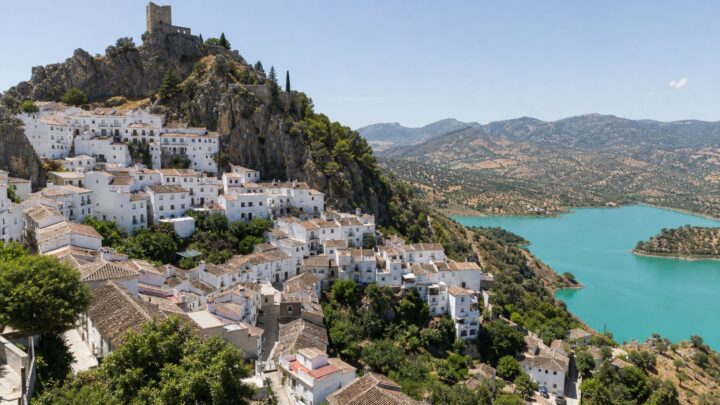
Cazorla, gateway to Spain's largest natural park
Discover why Cazorla is the ideal destination for exploring Spain's largest natural park, combining nature and local charm.
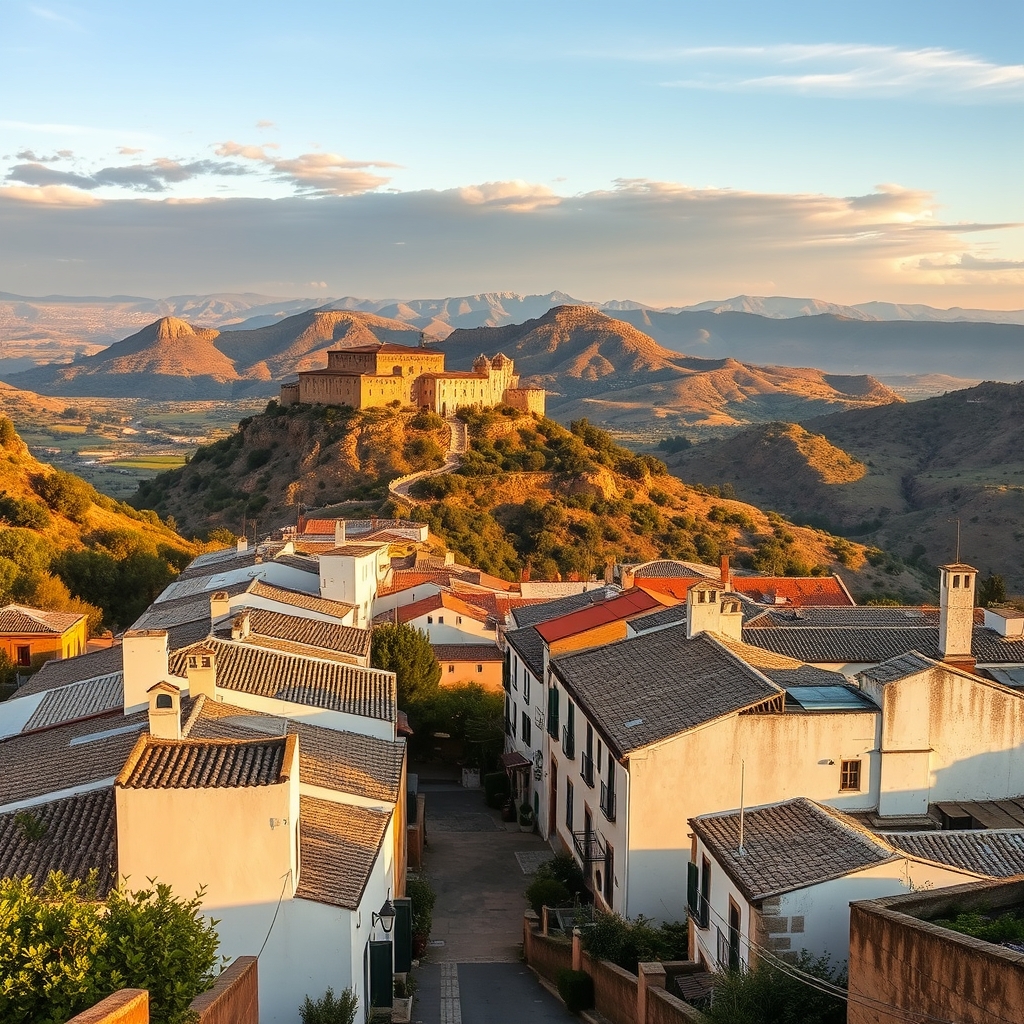
Choosing Cazorla as a base is not only a practical decision: it is a way to enter the Sierras de Cazorla, Segura y Las Villas Natural Park at a good pace, without rushing, and with room to improvise. “Travelling to Cazorla makes sense if you’re looking for vast, accessible nature with real options for every level.” “This destination stands out when you want to combine a lively village, good logistics and direct access to trails and viewpoints.” In a single day you can have breakfast in the historic quarter, walk along a river and end the day watching the light fall over the mountains from a castle.
Why Cazorla works as the gateway to the park
The village of Cazorla (Jaén) has something many natural park “gateways” fail to offer: it is not merely a stopover. There are services, atmosphere and a manageable size. This translates into a comfortable base from which to set out early for the mountains and return to dinner without depending on a single restaurant or impossible opening hours.
Its location also allows you to move towards different areas of the park without every outing becoming an expedition. In such a vast natural space, this matters. If you stay too deep inside, you gain silence but lose flexibility; if you stay too far away, you spend the trip on the road. Cazorla usually sits at that middle point where a plan can hold up over several days.
Real context: who it suits and when it’s worth it
This is a destination especially enjoyed by those who want hiking, mountain landscapes and villages with character, without giving up a certain degree of comfort. For a couple’s trip or a photography getaway, the balance is clear: nature in the morning and a stroll through steep streets at sunset. For families, it works if you choose short routes and alternate activities so that every day doesn’t become a long march.
The best approach to Cazorla is not to “see everything” — that would be an unrealistic expectation — but to explore one part of it calmly. The park is enormous and distances are deceptive: what looks close on the map can mean bends, stops and considerable driving times. In peak season (especially summer and long weekends), the village is busier and accommodation demand may be higher; in return, you’ll find more guided activity options.
When is it not worth it? If you’re looking for a beach holiday or an urban destination with museums, it’s probably not your place. It’s also not ideal if your priority is nightlife. And if you don’t enjoy driving on mountain roads, it’s wise to adjust the plan: there are accessible areas, but the park is best understood with a certain degree of mobility.
What to know before travelling: hassle-free logistics
Approximate budget and costs that surprise
Broadly speaking, Cazorla allows for a mid-range trip, with cheaper options if you book in advance outside public holidays. What tends to surprise people is not so much the price of the village itself, but the cumulative spending on meals out, parking in busy areas and the occasional guided activity if you want a more complete experience (for example, wildlife interpretation or specific routes).
Getting around: car, real travel times and the park’s rhythm
To explore the Sierras de Cazorla Natural Park, a car makes things much easier. It’s not about “covering kilometres”, but about saving time between trailheads, viewpoints and recreational areas. Allow margins: in the mountains, a short distance can become a slow journey because of bends or the unavoidable (and desirable) stops to admire the scenery.
If you’d rather not drive every day, a good strategy is to alternate: one day of nearby routes and another with a longer journey. This way the trip feels lighter and not everything revolves around the clock.
Accommodation: what to look for to sleep well and leave early
As a base, it’s worth prioritising location and ease of parking (if you’re travelling by car). The historic quarter has charm, but also steep slopes and narrow streets; it can be perfect if you enjoy walking, and less convenient if you’re carrying luggage or need to drive in and out often. If your plan is to set out early for hikes, check that the accommodation offers flexible hours or at least nearby options for an early breakfast.
Weather and packing: what you’ll actually use
The weather changes with altitude. Even in warm months, it can turn cool in the high areas in the morning, and the sun can be intense at midday. A practical approach: layers, mountain footwear already broken in (not brand new), enough water and something light for rain if the forecast is unsettled. On long routes, a headlamp or small torch may seem excessive… until a walk stretches longer than planned.
Safety and common sense in a vast park
There’s no need to dramatise, but it’s wise to be realistic: the park is very large and there are areas where mobile coverage can fail. Carry offline maps or a downloaded route, tell someone at your accommodation about your plan if you’re heading to a less-travelled area, and avoid improvised “shortcuts”. Most incidents come from miscalculating timings or setting out without enough water, not from technically difficult routes.
Practical recommendations for making the most of Cazorla as a base
The village: how to enjoy it without turning it into an open-air museum
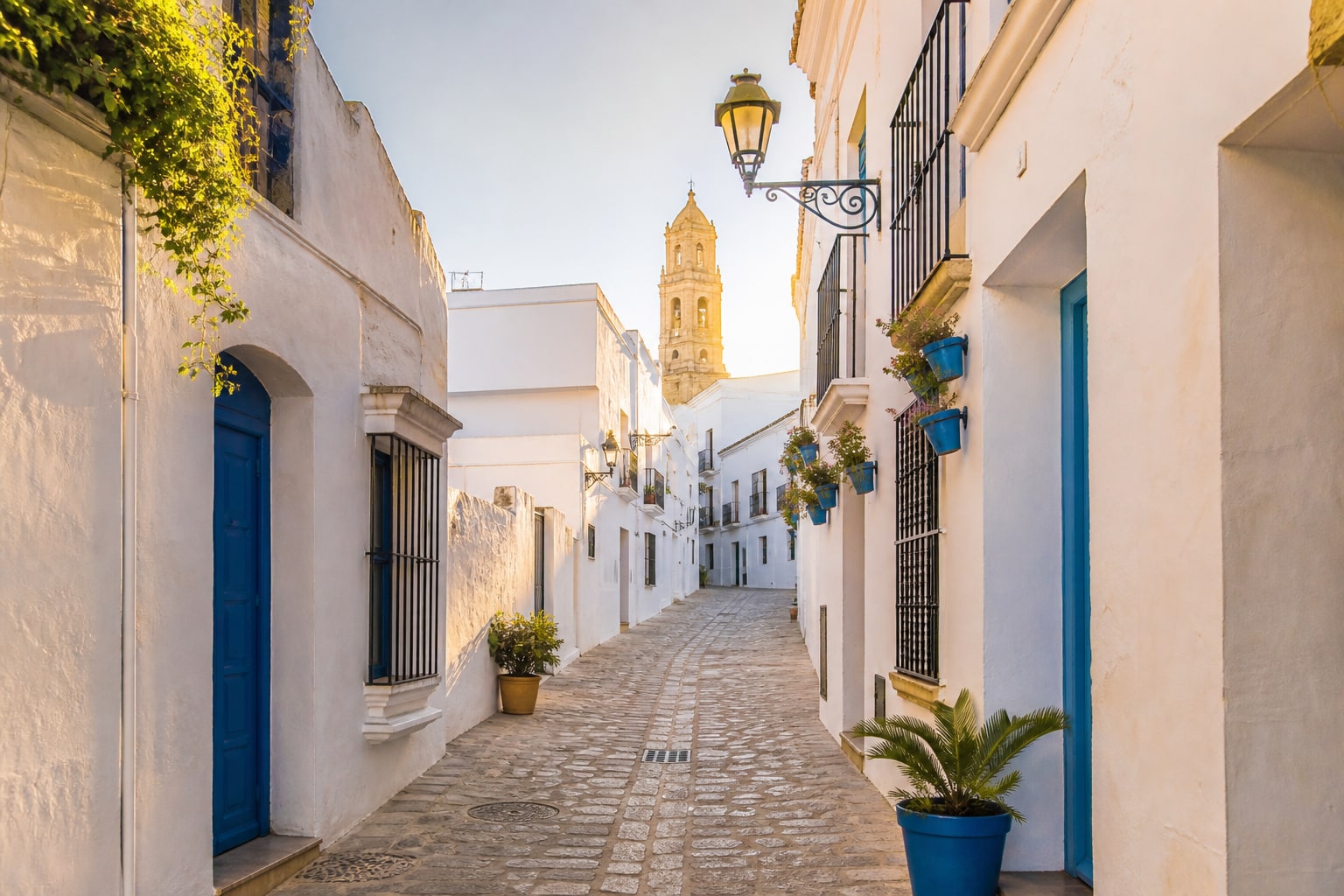
Set aside some time to wander the historic quarter without a fixed goal. Cazorla is best understood at a slow pace: narrow streets, changes in level and spontaneous viewpoints. The Castillo de la Yedra (Cazorla, Spain) is a good place to get your bearings: beyond its own interest, it offers panoramas that help you grasp what awaits you in the park.
A simple tip: go up during the cooler hours and leave the longer stroll for the afternoon. This way you avoid the fatigue that would otherwise show up the next day on the mountain.
The park: experiences that are usually worth it
For a first introduction, it works very well to combine a stretch of river or a short route with a viewpoint. The park’s value lies not only in “reaching the summit”, but in its variety: forests, water, rocky outcrops and relatively quick changes of landscape. If you’re interested in wildlife, starting early greatly increases your chances of seeing movement without needing to venture into extreme routes.
Avoid the classic mistake of trying to squeeze too many stops into one day. In this park, fewer points and more time at each one usually give a better experience (and better photos).
How to avoid tourist traps without becoming paranoid
In popular destinations, the most useful thing is to filter with common sense: menus that seem “too perfect” in very busy areas, schedules designed only for peak crowds, and shops with unlabelled prices. Look for places with a local clientele or at least a natural turnover of customers. And above all, don’t turn planning into a bargain hunt: sometimes paying a little more for a well-prepared meal saves you time and tiredness.
Frequently asked questions from people planning a trip to Cazorla
How many days are needed to visit Cazorla and the park?
For a first, relaxed visit, the usual recommendation is between 2 and 4 days. With 2 days you can see the village and do a short route in the park. With 3 or 4 days you can alternate areas and avoid always repeating the same type of landscape. If you only have one day, it’s best to accept that it will be a first introduction.
Is travelling to Cazorla expensive?
It’s not usually an expensive destination compared with major tourist cities, but the final cost depends on the season. Accommodation rises in summer and on long weekends, and also when local events take place. Spending is easy to control if you book in advance and plan some picnic-style meals on hiking days. Guided activities can be an interesting extra if you want context, but they are not compulsory.
When is the best time to visit the Sierras de Cazorla Natural Park?
Spring and autumn usually offer temperatures that are more pleasant for walking and good light for photography. In summer it can be enjoyed too, but it’s advisable to adjust schedules and look for routes with shade or areas with water. Winter can be very beautiful, although some days require more planning because of the cold and possible changes in the weather. The key is to adapt routes to the actual weather on those days.
Is it a safe destination for hiking independently?
In general, yes, as long as you choose routes that match your fitness level and experience. Safety depends more on planning than on technical difficulty: water, footwear, an extra layer and a time margin. In less-travelled areas, it’s advisable to carry the route downloaded and avoid setting out late. If you go alone, let someone know your itinerary.
Is it worth renting a car to get around the area?
If your idea is to explore several areas of the park, a car is usually worth it for its flexibility and time savings. If you plan to focus on the village and one or two nearby routes, you could organise yourself without so many journeys. Even so, the size of the park means that having a car simplifies logistics, especially if you’re travelling as a couple or with family. The key is not to plan days with excessive driving.
Common mistakes when using Cazorla as a base (and how to avoid them)
Underestimating distances and times is the number one mistake: in the mountains, the map lies a little. Another typical error is choosing accommodation based only on price without checking access, parking or gradients, which makes day-to-day life much harder. It’s also common to overload the itinerary with too many “must-see” points, when the best of the park often appears in the quiet stretches.
Finally, some people travel with unrealistic expectations: expecting to see lots of wildlife at any hour, or doing long routes without preparation. The experience improves when you adjust the plan to your own pace and accept that this park cannot be “ticked off” in a single visit.
Real use cases: how the trip changes depending on your profile
Weekend getaway as a couple
A simple plan works well: arrive in the afternoon for a stroll around Cazorla and a relaxed dinner; a full day in the park with one main route and a viewpoint; and a final morning for the castle or a coffee with a view. The key is not to rush Sunday with a stressful return: the park invites you to slow down, not to speed up.
Family trip with children
It’s best to alternate short walks with areas of water or recreational spots where you can stop without pressure. Choosing a comfortable base in the village helps you return early if anyone gets tired. A frequent mistake is copying adult routes without adapting timings and rest breaks. Here, the winner is whoever plans fewer kilometres and more stops.
Low-cost multi-day plan
You save more by optimising meals and accommodation than by cutting back on everything. Buying picnic supplies and carrying enough water reduces spending on hiking days. Outside peak season there are reasonable prices and more tranquillity. And since the value lies in the landscape, you don’t need to pay for “attractions” to feel that the trip was worthwhile.
When a place is truly large, the temptation is to try to cover everything; with Cazorla it’s the opposite: the better you set up your base and the more realistic you are about timings, the easier it is to enjoy the natural park without turning it into a race. In the end, what you take away is not a list of visited points, but the feeling of having entered the mountains with judgement and left with the desire — and the margin — to return.