Santorini, Greece: the paradise of the Aegean islands
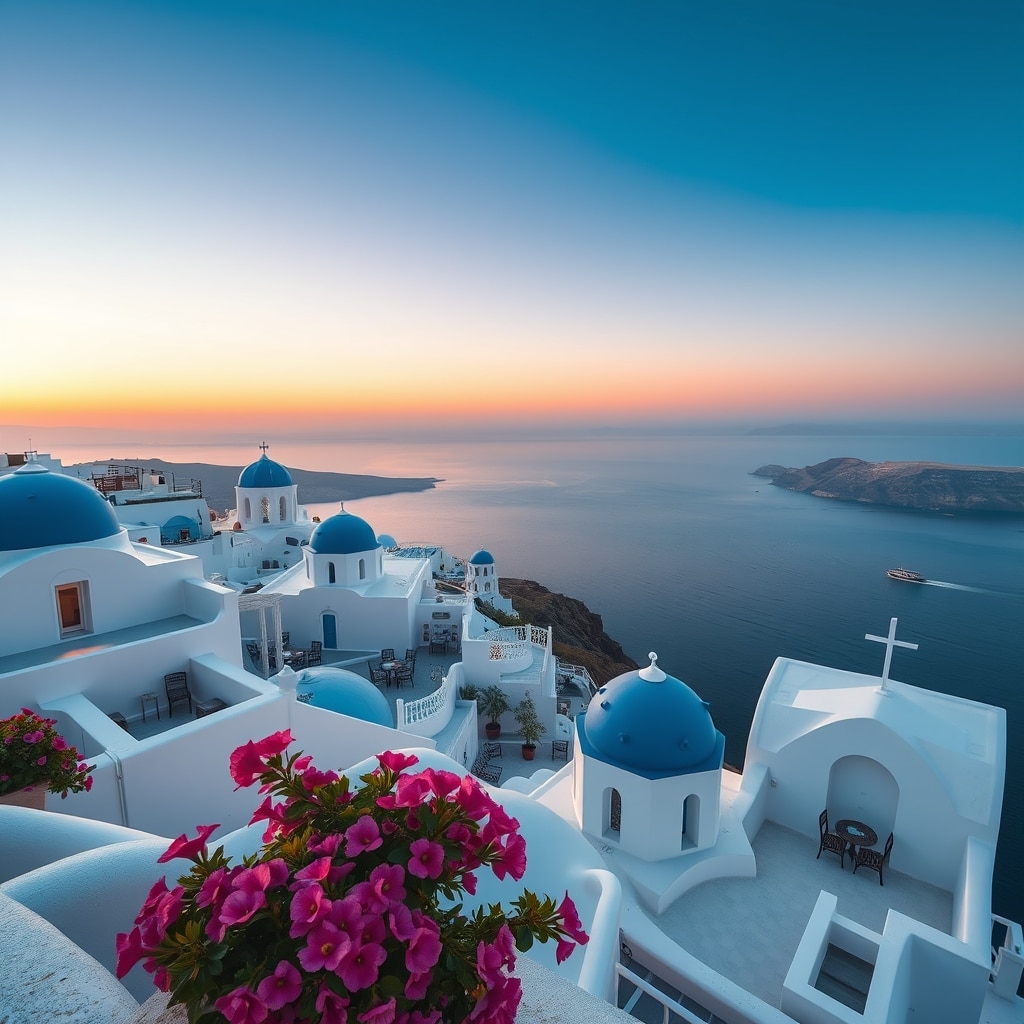
Santorini is an island that combines scenic landscapes and iconic architecture: the famous white houses perched on the cliffs and endless views of the Aegean Sea. Traveling to Santorini makes sense if you’re looking for a mix of memorable photography, leisurely strolls, and sunsets that feel cinematic. This destination shines when you prioritize walking through villages such as Oia and Fira, enjoying terraces with views, and understanding that part of its charm comes from its volcanic geology and history. In short: Santorini is for those who appreciate dramatic landscapes, a relaxed travel pace, and the chance to disconnect without giving up essential tourist services.
Real context of the destination
Santorini is neither a solitary nor an extremely remote island: it is one of the most visited destinations in the Cyclades archipelago. It is especially enjoyed by couples, photography enthusiasts, and travelers seeking romantic experiences or unique landscapes. It is not worth it if you’re looking for the intense nightlife of Mykonos or long stretches of fine sand: many coves have volcanic sand or pebbles.
Realistic expectations include crowds in high season, cobbled streets with steep slopes, and prices above the Greek average. A common mistake is believing Santorini is cheap; it is not, for accommodation and restaurants with a caldera view.
What to know before traveling
Approximate budget
Plan a budget higher than for other Greek islands: accommodation with a caldera view can double the price. If you want to save, choose hotels in Perissa or Kamari instead of Oia or Fira, and book in advance.
Transport
The island is explored by car, scooter, or public transport; ferries connect it with Athens and other islands. During July and August there is congestion on the roads and a lack of parking near the most touristic spots.
Accommodation
Weigh location against view: staying in a hotel with a caldera view means less mobility and a higher price, while staying inland means savings and more tranquility. Consider apartments with a kitchen if you prefer to control expenses.
Safety and climate
It is a safe island for tourists; take normal precautions in crowded places. Summer is hot and dry; spring and autumn offer pleasant temperatures and fewer crowds.
Real visiting times
For a complete experience, 3–4 days allow you to explore Oia, Fira, a volcanic beach, and a caldera excursion. If you travel at a relaxed pace or want to include other islands, reserve a week.
Practical recommendations
Recommended neighborhoods: Oia for sunsets and photography, Fira for restaurant options and transport connections, Akrotiri for calm and proximity to volcanic beaches.
Authentic local experiences: walking the caldera trails (for example Fira–Oia), tasting wine at the wineries of Vlychada, and exploring the Minoan site of Akrotiri for historical context.
How to avoid traps: pay extra for tables with a view only if you really want the experience; otherwise look for secondary terraces offering similar quality. Book popular boats and restaurants in advance during high season.
Money-saving tips: travel in May or September, use the local bus, and choose accommodation away from the more expensive coastline.
Frequently asked questions
How many days are needed to visit Santorini?
With 3 to 4 days you can cover the essentials: Oia, Fira, a volcanic beach, and a visit to the caldera. If you add activities such as sailing or several wineries, consider 5–7 days.
Is traveling to Santorini expensive?
Yes, compared with many other Greek islands. Accommodation with views and dinners at seafront restaurants raise the cost, but there are affordable options away from the most touristic spots.
What is the best time to travel?
The best time is May–June and September–October: good weather and fewer tourists. July and August offer full summer but with crowds and high prices.
Is it a safe destination?
Santorini is safe; the main risks are slipping on cobbled streets and summer heat. Stay careful when going up and down stairs and protect yourself from the sun.
Is it worth renting a car?
Renting a car or scooter gives flexibility to explore beaches and wineries; in high season book in advance and keep in mind that traffic and parking in Oia and Fira are limited.
Common traveler mistakes
1) Underestimating transfer times between ferries and accommodation. 2) Booking late in high season. 3) Expecting long stretches of white sand. 4) Planning too many activities in one day and losing the relaxed experience. 5) Prioritizing only the most advertised views and missing less crowded but equally beautiful corners.
Real use cases
Couple’s trip
A 4-day itinerary focused on sunsets in Oia, a dinner on a terrace, and time for a spa or wine tasting usually works very well.
Family trip
Choose accommodation with easy access, avoid steep stairs for young children, and plan daytime activities at easily accessible beaches such as Perissa.
Low-cost trip
Stay in Fira or Kamari, eat at local tavernas, and use the bus to get around. Avoid restaurants with views if your goal is to save money.
Weekend getaway
Prioritize a good sunset, a walk along the caldera, and one standout meal; leave boat excursions for another occasion.
Santorini rewards those who plan wisely: balancing iconic views with quiet moments makes the experience far more enjoyable. With the right information on timing, budget, and logistics, you can design a visit that captures the essence of the island without rushing and without unrealistic expectations.