The Great Wall of China: A Giant of Ancient Engineering
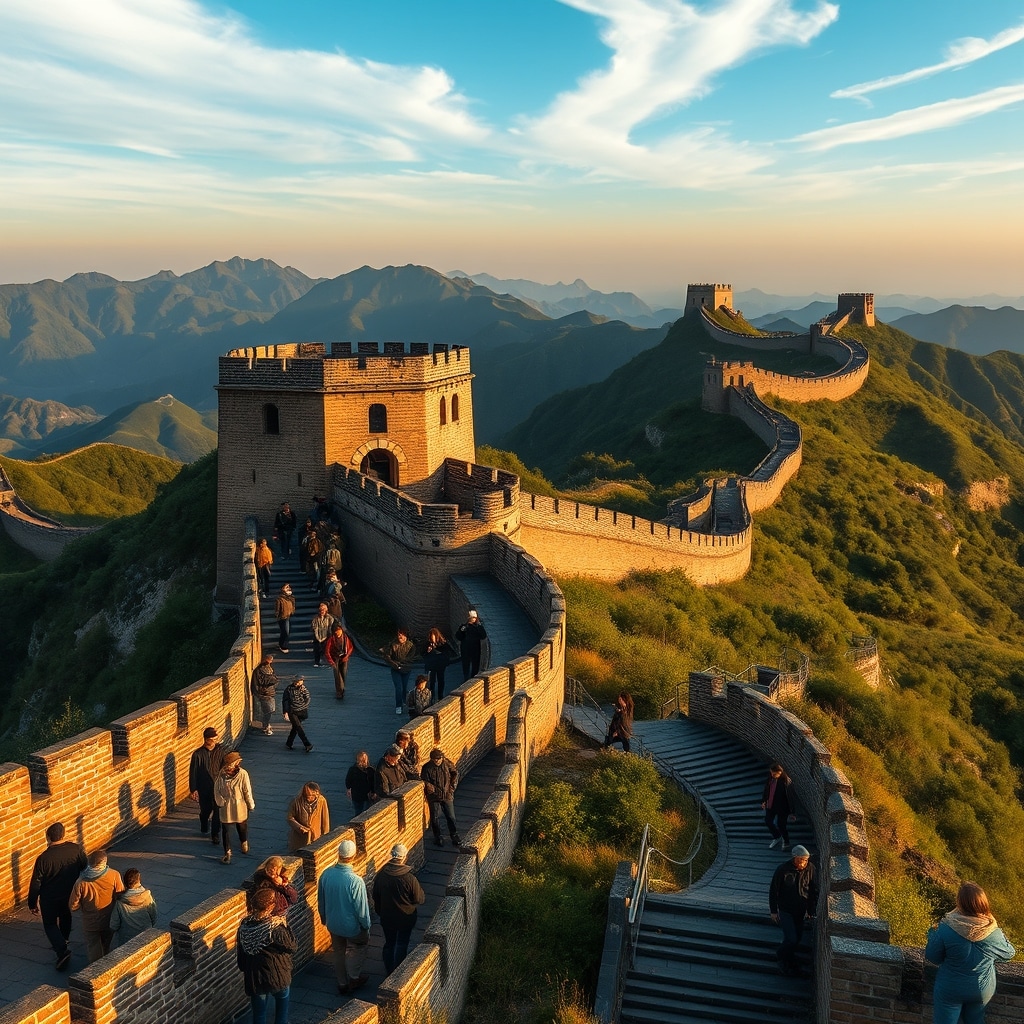
The Great Wall of China is much more than a succession of walls and towers: it is an architectural landscape that spans centuries and geographies. Traveling to the Great Wall of China makes sense if you want to connect with the material history of an empire that tried to control frontiers and to symbolize power. This destination stands out when you want to combine moderate hiking, mountain panoramas and reflections on how infrastructure can shape nations. In this article we will explore its history, how it was built, its cultural significance and the practical side of visiting it today without falling into tourist clichés.
Real context of the monument
The Great Wall is not a single continuous wall but a network of fortifications erected and rebuilt over more than two thousand years. It was built by dynasties such as the Qin and the Ming, and its main route, which most visitors see today, largely corresponds to the Ming period (14th–17th centuries). It is not a theme park: many sections are restored, while others retain a ruinous appearance that tells a different story.
What kind of traveler enjoys it most
This place is ideal for those who value the combination of history and nature: walkers with good physical fitness, photography enthusiasts and travelers interested in cultural heritage. It is not the perfect site if you are looking for modern urban facilities or nightlife; the experience revolves around the landscape and contemplation.
When it is worth visiting and when it is not
Spring and autumn offer mild weather and attractive colors; summer can be hot and crowded, and winter cold but with clear skies. Avoid weekends and Chinese public holidays if you prefer to avoid crowds. If your goal is an intimate experience and walking less restored stretches, plan ahead and opt for less touristy sections.
What to know before traveling
Approximate budget: the cost varies according to location and style. Visiting popular sections such as Badaling near Beijing involves transport, entrance and possibly a guide; budget roughly 30–80 USD per day depending on comfort. Transport: from Beijing you can get there by train, bus or organized tour; for remote stretches it is best to hire a car with a driver or use local transport.
Accommodation: staying in Beijing or in nearby villages such as Mutianyu makes logistics easier. Safety: it is a safe destination, but be careful on slopes, unrestored sections and sun exposure. Weather and timing: allow at least half a day for a classic visit and a full day if you want to explore longer stretches.
Practical recommendations
Recommended sections and areas
Badaling (Beijing) is accessible and restored: good for first visits. Mutianyu combines restoration with fewer crowds and offers an optional cable car. Jinshanling and Simatai offer more authentic, rugged stretches, recommended for hiking and dramatic photos.
Local experiences worth having
Walking at dawn or dusk offers warm light and fewer tourists. Hiring a local guide on historic sections can add archaeological and military context. Try simple food in the nearby villages to complete the cultural experience without overdoing it.
Frequently asked questions
How many days are needed to visit the Great Wall of China?
For a typical visit from Beijing, including transfer, half a day to one day is enough. If you plan to walk less touristy stretches or combine it with other nearby attractions, book one or two additional days.
Is visiting the Great Wall expensive?
The cost is not high in absolute terms, but it varies: entrance fees, transport and possible guides add up. You can adjust spending according to the section chosen and the mode of transfer; there are budget options as well as more comfortable ones.
What is the best time to travel to the Great Wall?
Spring (April–May) and autumn (September–October) are the best for weather and visibility. Avoid the extreme heat of summer and the possible gusts or intense cold of winter, unless you are after snowy landscapes and clear skies.
Is it a safe destination for solo travelers or families?
Yes, it is generally safe. The main risks are falls on steep sections and crowds in very touristy areas; for families with small children it is advisable to choose restored sections with access and facilities.
Common traveler mistakes
- Underestimating the slopes and wearing inadequate footwear.
- Visiting during peak hours without booking or planning.
- Relying only on ultra-restored sections while expecting total authenticity.
- Not checking the weather and arriving without water or sun protection.
- Ignoring transport logistics and leaving the return trip until the last minute.
Real-life use cases
Trip as a couple
A couple might seek less crowded sections such as Mutianyu at dawn for photos and an intimate walk, then return to Beijing for a quiet dinner.
Family trip
With young children, Badaling is recommended for its accessibility and services; plan breaks and avoid peak hours.
Budget trip
Opt for public transport to accessible sections, bring food and water, and choose simple accommodation in nearby villages to save money.
Weekend getaway
A full day including an early departure from Beijing, a walk along a section and an afternoon return allows a satisfying experience without rushing.
Knowing the Great Wall requires more than a photo: it takes time to read its walls, understand why it was raised and how it has survived. With practical planning, realistic expectations and respect for the surroundings, the visit can become a historical and sensory experience that connects landscape, human effort and collective memory.