Winter cuisine in the Alpujarra: Alpujarran dish, garlic kid goat and the silence of Capileira
A practical guide to eating well in Capileira in winter: what the Alpujarran dish is, how garlic kid goat is prepared and why the silence of the Poqueira Gorge is, in itself, a reason to go.
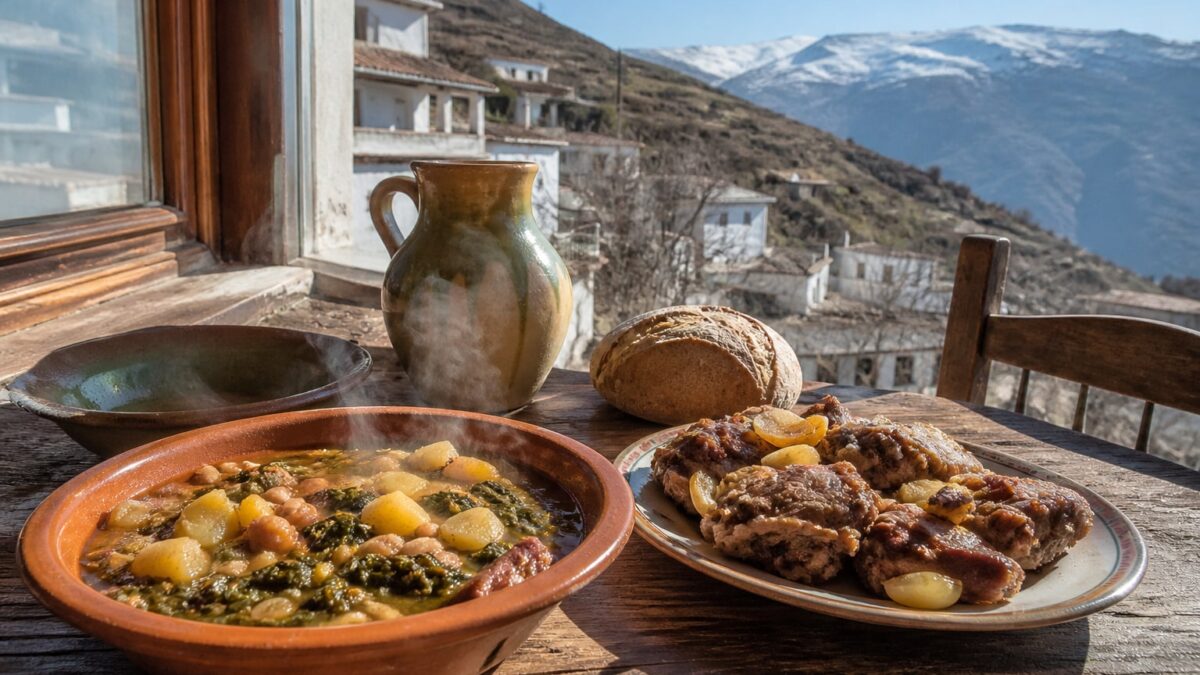
If you only have one winter weekend in the Alpujarra and want to know what to eat in Capileira, the short answer is: Alpujarran dish to start and garlic kid goat as a main course, washed down with a local red wine and followed by a silence that does not exist in the capital. This is useful if you are looking for real disconnection, not a tapas route or an adventure getaway with harness and helmet.
Capileira, the highest of the three villages of the Poqueira Gorge, has very few people in winter: those who live there and those who come looking for precisely that, calm. You hardly need a reservation anywhere except on New Year’s Eve or during some bridge holidays, and the tables in the ventorros fill with locals more than with visitors. It is the time of year when the Alpujarra stops being a postcard and becomes a village again.
Capileira in winter: why this village and not another in the Poqueira Gorge
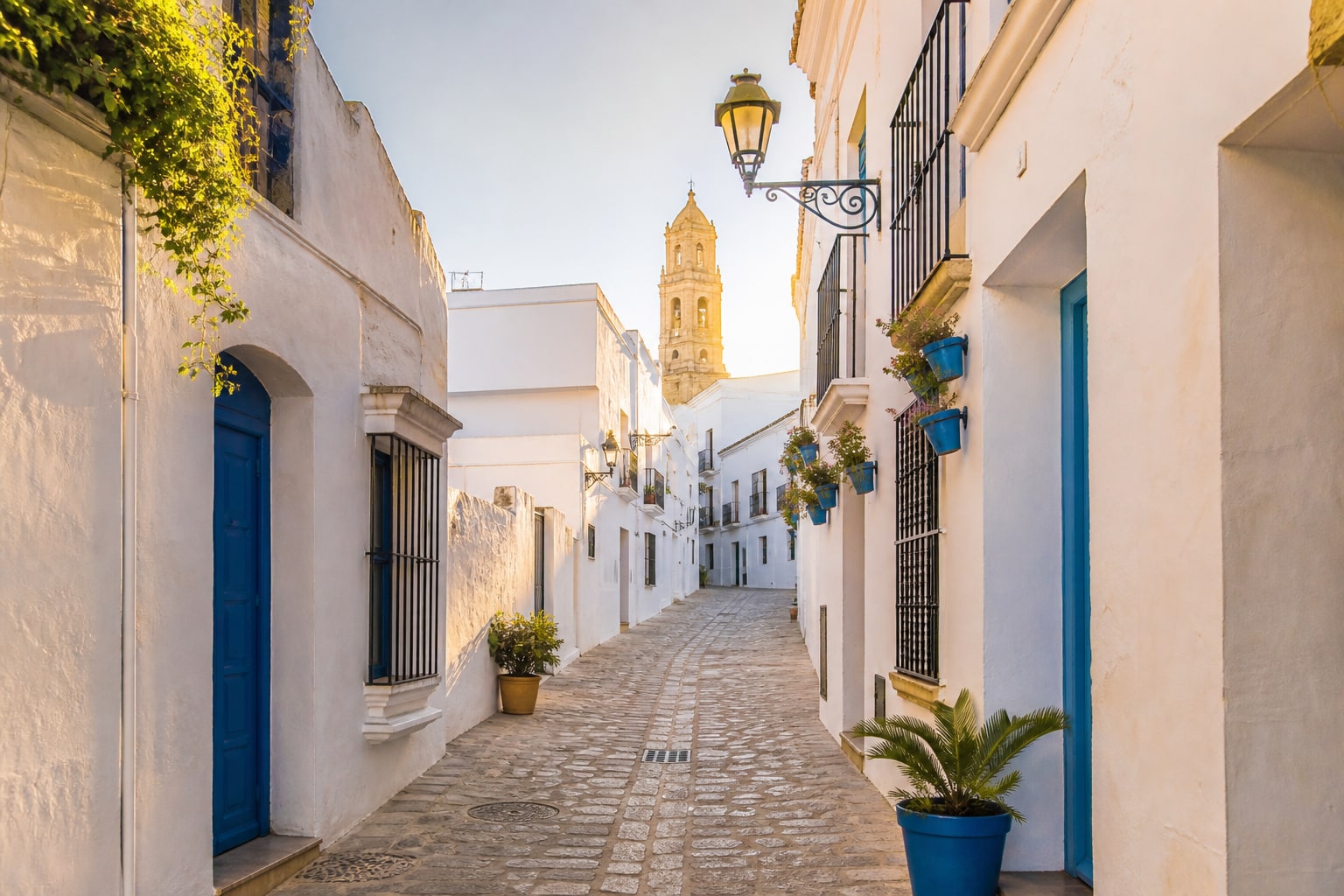
Capileira sits at 1,436 metres, the highest of the three white villages that climb the slope of the Poqueira Gorge, above Bubión and Pampaneira. That altitude changes winter: there is a greater chance of snow, the cold is dry and biting, and the views towards Sierra Nevada are clear with a sharpness rarely seen in the warmer months. The Capileira Town Council keeps the urban core almost intact, with cobbled streets, tinaos (the covered passageways typical of Alpujarran architecture) and flat launa roofs, that slate once used as insulation long before the word insulation existed.
The difference with Pampaneira, the most photographed village and the one that concentrates most craft shops and tourist coaches, is precisely this: Capileira receives fewer passing visitors and keeps more everyday life. If you already know the gorge or want to compare the three villages calmly, in Pampaneira, Bubión and Capileira: how to tour the Poqueira Gorge without repeating what has been said about the Alpujarra you will find the full contrast between the three.
The Alpujarran dish: recipe, ingredients and why it is the everyday dish of the area
The Alpujarran dish is not one dish but several on the same plate: fried or “poor man’s” potatoes, a fried egg, black pudding, chorizo and Serrano ham, almost always accompanied by fried peppers. It was born as food for pig-slaughtering season and for field work, designed to sustain a full day of cold and labour in the mountains, not as haute cuisine. That shows in the generosity of the portions: in almost no place in Capileira does an Alpujarran dish arrive small.
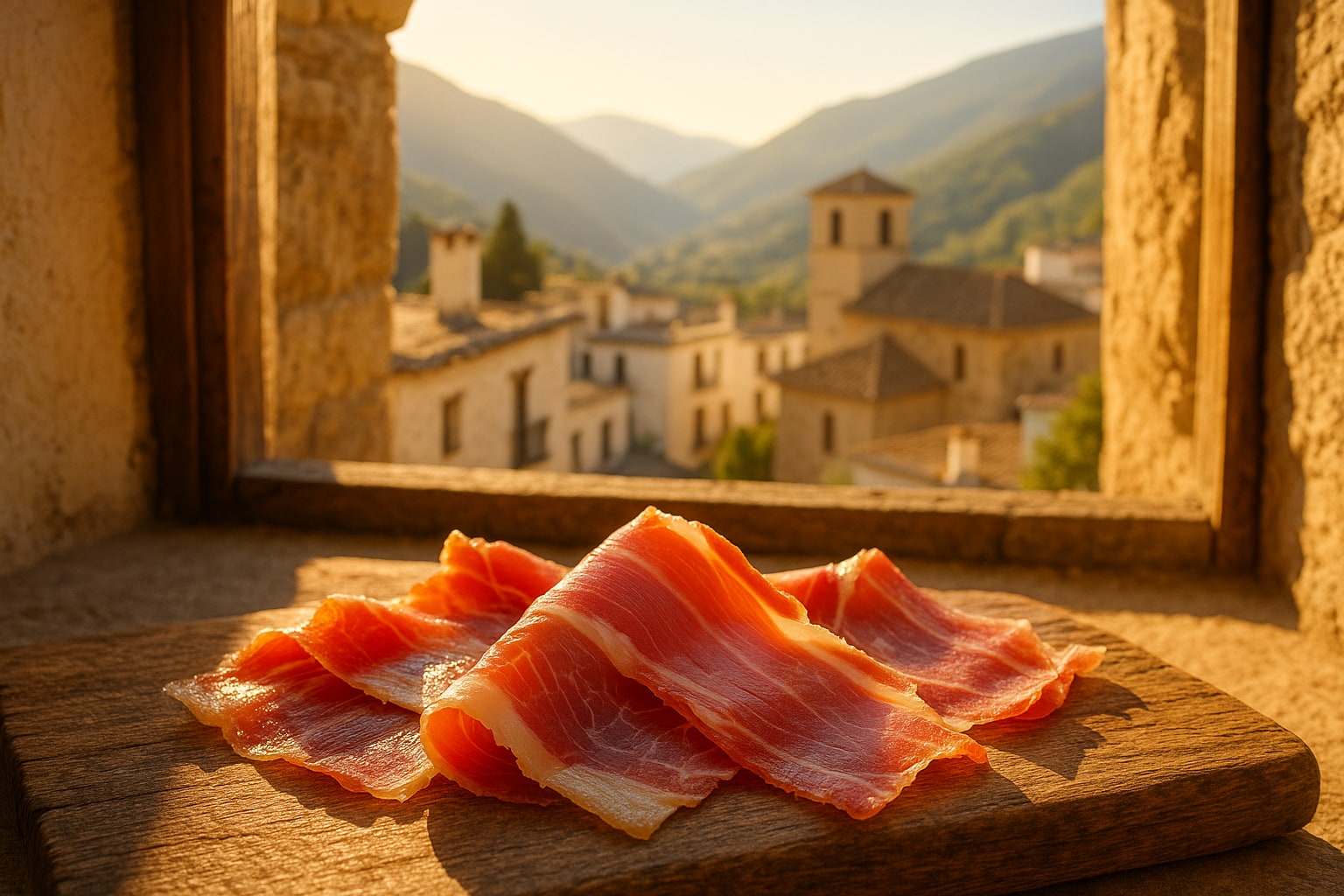
The ham that tops it usually comes from Trevélez, the neighbouring village known for curing its hams at over 1,500 metres above sea level, with its own Protected Geographical Indication. If you want to understand where that ham comes from and why it is cured differently from hams in other parts of Spain, it is worth reading Trevélez, ham cured at 1,500 metres and the truth about its PGI, which debunks some myths about that curing “in the snow air”.
The price of an Alpujarran dish in Capileira is around €10-14 in 2026, and in most ventorros it is enough to share between two if you are not going on a hiking trip with a big appetite. It is usually ordered as a starter, although many travellers end up having only that for dinner.
Garlic kid goat: the second dish to order before it runs out
Choto is the young goat, and in the Alpujarra it is cooked in pieces, browned in olive oil and finished with garlic, bay leaf, white wine and a touch of paprika, usually Pimentón de la Vera PGI or similar local production. The result is tender meat with small bones, eaten with bread to mop up the sauce, not with precision cutlery. It is a dish that depends on the day’s supply: some ventorros take it off the menu when it runs out and it does not return until the next day.
Garlic kid goat has its origins in mountain goat farming, the same activity that for centuries sustained the economy of these villages when tourism did not exist. Today it coexists with other spoon dishes such as migas with bits of meat or the hinojos stew, but kid goat remains the reference whenever someone asks what to eat in Capileira in the cold months. A single portion costs around €12-16 in most establishments; check the price before ordering because it varies according to the weight of the portion.
| Dish | What it includes | Approximate price (2026) | Best time to order it |
|---|---|---|---|
| Alpujarran dish | Potatoes, egg, black pudding, chorizo, Trevélez ham | €10-14 | To share, as a starter |
| Garlic kid goat | Kid goat, garlic, bay leaf, white wine, paprika | €12-16 | Midday, subject to availability |
| Alpujarran migas | Bread, garlic, paprika, fried pork rinds or grapes | €8-11 | Cold days, late breakfast |
| Alpujarran-style trout | River trout, Serrano ham | €11-15 | When seasonal fishing is available |
Where to eat in Capileira: named ventorros versus the tourist option
In Capileira there are no grand menus or tasting menus, and that is part of the appeal. The ventorros — the name given to the small eating houses of the Alpujarra — run on wooden tables, a lit fireplace and neighbourhood cooking. El Corral del Castaño and El Tinao are two names locals repeat when asked where to eat kid goat properly, rather than generic guidebooks, because they keep family pig-slaughtering recipes without adapting them to passing tourists.
The key in winter is to arrive early for lunch, around 1:30-2:00 pm, because some locals close the kitchen early if there are not enough people on weekdays. It is worth asking directly whether there is kid goat left, rather than relying on the printed menu, which is not always updated daily.
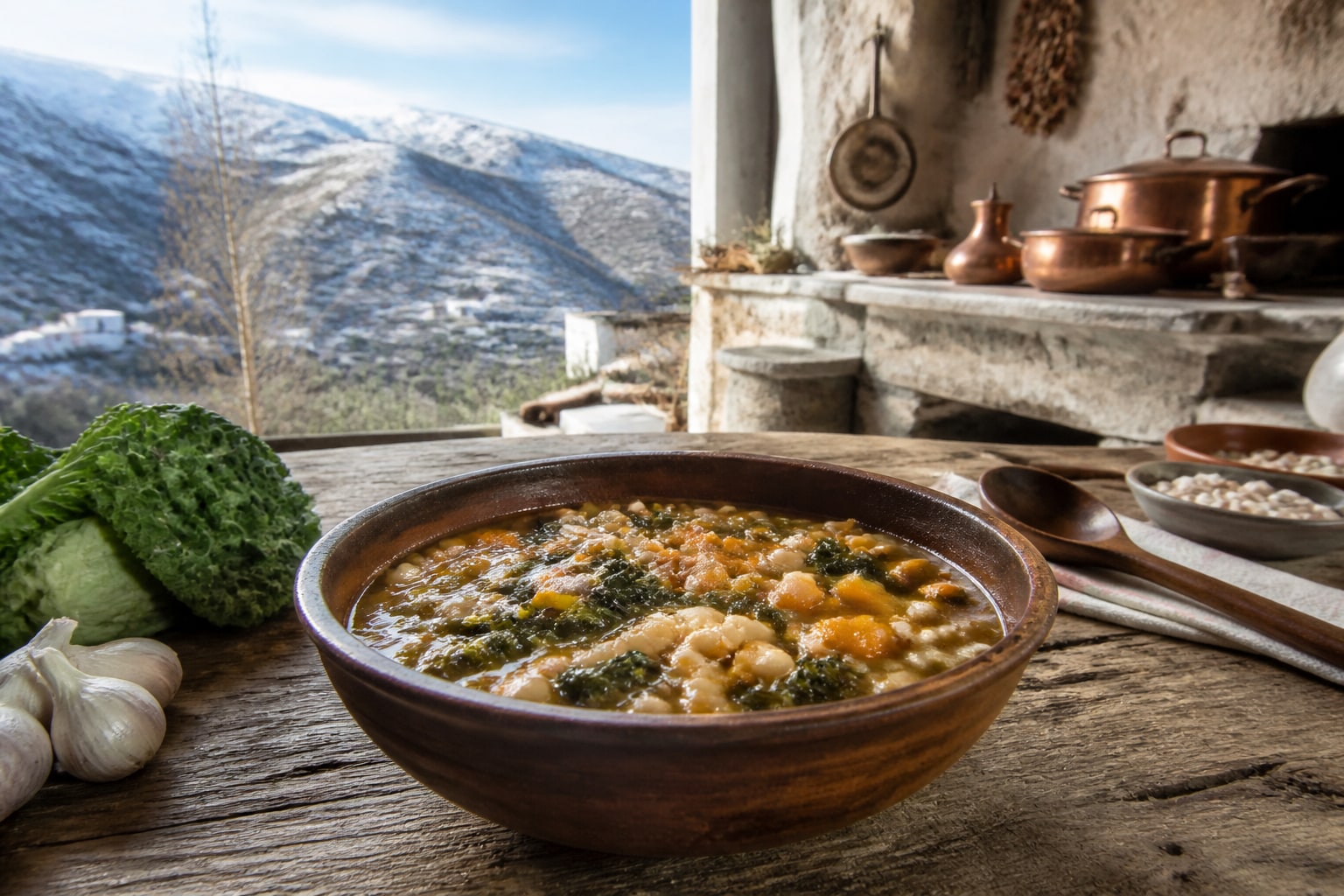
Typical Alpujarra products to take home
Beyond the ready-made dish, the Alpujarra has a larder worth knowing before you sit down to eat. Trevélez ham with its PGI is the star product, but alongside it there are homemade pig-slaughter sausages, mountain honey, artisan goat cheeses and local wines, with the vijiriega grape as a local variety less known outside Granada. The shops in Capileira and Pampaneira sell these products vacuum-packed, designed for the traveller returning by plane or by car several hours away.
Silence as a reason to go: disconnection tourism in the Alpujarra
Capileira in winter has a value that does not appear on any restaurant menu: silence. It is not the absence of noise of a hotel with a spa, but the real silence of a mountain village in the middle of the afternoon, when the sun hides behind Sierra Nevada and the cobbled streets are left empty. You can hear the water in the irrigation channels, originally built by the people of Al-Andalus to water the terraced fields, and little else.
That silence is, increasingly, what travellers who have exhausted city and resort tourism are looking for. No planned activity is needed to justify the visit: it is enough to sit on a terrace in the Barrio Alto of Capileira with a coffee and let the afternoon pass. It is the same kind of disconnection that explains the growing interest in villages such as Setenil de las Bodegas or Zahara de la Sierra, although each offers it in its own way.
Hiking routes in Capileira in winter: what you can do and what you cannot
Capileira is the traditional starting point for Mulhacén, but in winter that route is reserved for experienced mountaineers with snow equipment, not for travellers looking for a gentle walk. For everyone else, the Sendero de la Estrella, which descends from Capileira towards Pampaneira and Bubión along the gorge, is accessible almost all winter except after heavy snowfall, and takes 2-3 hours to walk at a leisurely pace.
It is worth checking the condition of the Sierra Road, which climbs towards the Trevélez Viewpoint and the Ragua Pass, before attempting to drive up on snowy days, because it is often closed between December and March. The Villa Turística Visitor Centre, at the entrance to the village, provides daily information on trail conditions and the weather in Sierra Nevada.
Practical section: when to go, how to get there and where to stay
The best time for the experience described — snow on the peaks, a quiet village, pig-slaughter cooking in season — runs from December to February, avoiding the December bridge holiday and New Year’s Eve if you want real silence, because those days do fill up. Weekday January is by far the time with the fewest visitors.
- How to get there: by car from Granada city, via the A-44 and then the A-348 towards Órgiva and the Poqueira Gorge, around 1 hour 15 minutes to 1 hour 30 minutes depending on traffic and road conditions. There is no direct train and no frequent direct bus; the Alsa bus to Capileira leaves from Granada bus station once or twice a day, so check the timetable before you go.
- Getting around the village: on foot. Capileira is small and the car is best left parked at the entrance, next to the Visitor Centre.
- Accommodation: a double room in a rural guesthouse costs around €50-75 per night in low winter season (2026), cheaper on weekdays. Rural apartments with a fireplace are the most sought-after option for couples.
- Common mistakes: driving up without chains or winter tyres after snowfall, arriving at lunchtime expecting a table without a reservation on a long weekend, and confusing Capileira with Pampaneira when searching for accommodation online, because they share much of the tourist offer of the gorge.
- Safety: there are no notable risks beyond the mountain road with snow and ice; checking the Sierra Nevada weather forecast before driving up matters more than any other precaution.
- Who it suits: couples and solo travellers looking for disconnection, families with children who enjoy short walks rather than long hikes, and anyone who values eating well without the table being the centre of the trip. It is not the destination for those looking for nightlife or a variety of restaurants.
Frequently asked questions about eating and travelling to Capileira in winter
How much does it cost to eat in Capileira? A full menu with Alpujarran dish or garlic kid goat, dessert and drink costs around €20-28 per person in 2026 in traditional ventorros, somewhat less if you share the Alpujarran dish between two.
Can you go to Capileira with children in winter? Yes, the village is small and safe for walking, although long hiking routes are not recommended with young children in snowy months. The Sendero de la Estrella, in short sections, works well for families.
Do you need to book a table at the ventorros? On weekdays it is usually not necessary; on long weekends, bridge holidays and New Year’s Eve it is advisable to call ahead because tables are limited.
What is the difference between Capileira and Pampaneira for a winter visit? Pampaneira has more shops and a touristy atmosphere; Capileira is higher up, receives fewer visitors and keeps more local life, ideal if the goal is silence rather than tapas.
Does it snow in Capileira in winter? It is common between December and March, especially at the higher elevations towards Sierra Nevada; the village itself receives snow intermittently, not constantly.
A concrete recommendation to close
If you have to choose a single plan for a winter weekend in Capileira, make it this: arrive on a Friday afternoon, have dinner with an Alpujarran dish in a ventorro with a fireplace, spend Saturday morning on the Sendero de la Estrella and book the garlic kid goat for lunch, while there is still some left in the kitchen. Keep the rest of the time free for silence; of everything this village offers, it is the hardest thing to find anywhere else.

0 comments · Comment