German Gastronomy: Wine, Beer and Schnapps
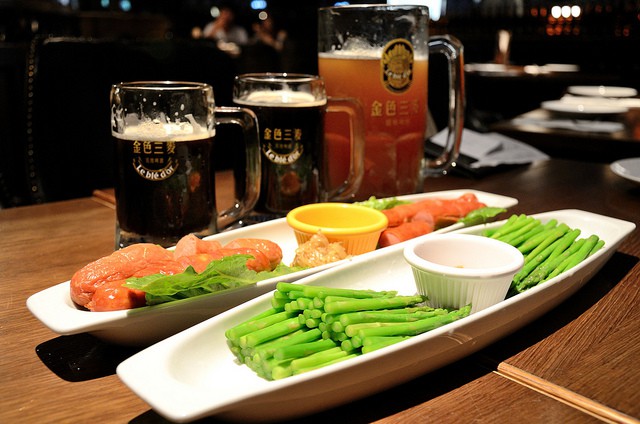
Last week we began with the first of a series of articles we are going to devote to the gastronomy of Germany. In the previous post, we covered the basic ingredients most commonly used in German culinary art; this week we are going to wet our whistle a little with the typical drinks of the Bavarian country.
Germany is very well known for the variety of its beers. Anywhere in the country, we can find variety in this drink, with each region having its own specialties and ways of brewing it. The best-known beer in Germany is the Pilsner type. Pilsner beer originates from and is brewed in the city of the same name, in the Czech Republic. Its production is based on Moravian pilsner-type malted cereal, soft water and, fundamentally, Zatec hops, a plant that favors its fermentation.
If we take a brief tour of the German regions, we find Kölsch beer from Cologne, Berliner Weisse beer from Berlin, Gose beer from the Harz region (the highest mountain range in northern Germany) or Rauchbier from Franconia. We must also highlight Braunschweiger Mumme beer from Braunschweig, one of the oldest beers in Europe.
We cannot forget the events held around this drink. Throughout the country, beer festivals are held in the months of September and October. Without a doubt, the best known in this regard is the Oktoberfest, which has an international character and takes place in the city of Munich since 1810, paying tribute to this bitter beverage, consumed in the enormous mugs called Humpen.
Moving from beer to wine, in which we can find great variety, given that Germany is a major producer of this drink. There are as many as sixteen wine regions spread across the country, coming mainly from the banks of rivers such as the Rhine, the Main and the Mosel. The most typical wine is usually white, and the best-known grapes it derives from are Riesling (a white grape from the Rhine region) and Silvaner, also a white grape but with less acidity.
As with beer, wine also has its annual events during the months of September and October (harvest season). The festivals held in honor of wine are called Weinfest, where only the new wine (called Federweisser) is tasted, along with traditional onion cakes called Zwiebelkuchen.
Finally, we come to schnapps, a drink that was more typical in the past and which today has given rise to others such as cocktails. Schnapps is a kind of spirit whose fermentation process raises its temperature above 17 degrees. Although the tradition of accompanying schnapps with beer has been lost, we can highlight some types such as Goldwasser from Danzig (a 40-degree spirit) or Jägermeister, made with herbs and with 35 degrees of alcohol.
Next week we will continue our tour of German gastronomy. One more reason to want to learn about German customs, especially if this leads us to the great pleasure of tasting its most typical drinks and foods.
Source | Wikipedia
Photo | Flickr – Farktographer1

5 comments · Comment
5 comments