Seoul in five days: how much it costs to eat, sleep and get around the Korean capital
How much a 5-day trip to Seoul really costs: real prices for hotels, street food, subway and admission tickets, with a day-by-day itinerary by neighborhood.
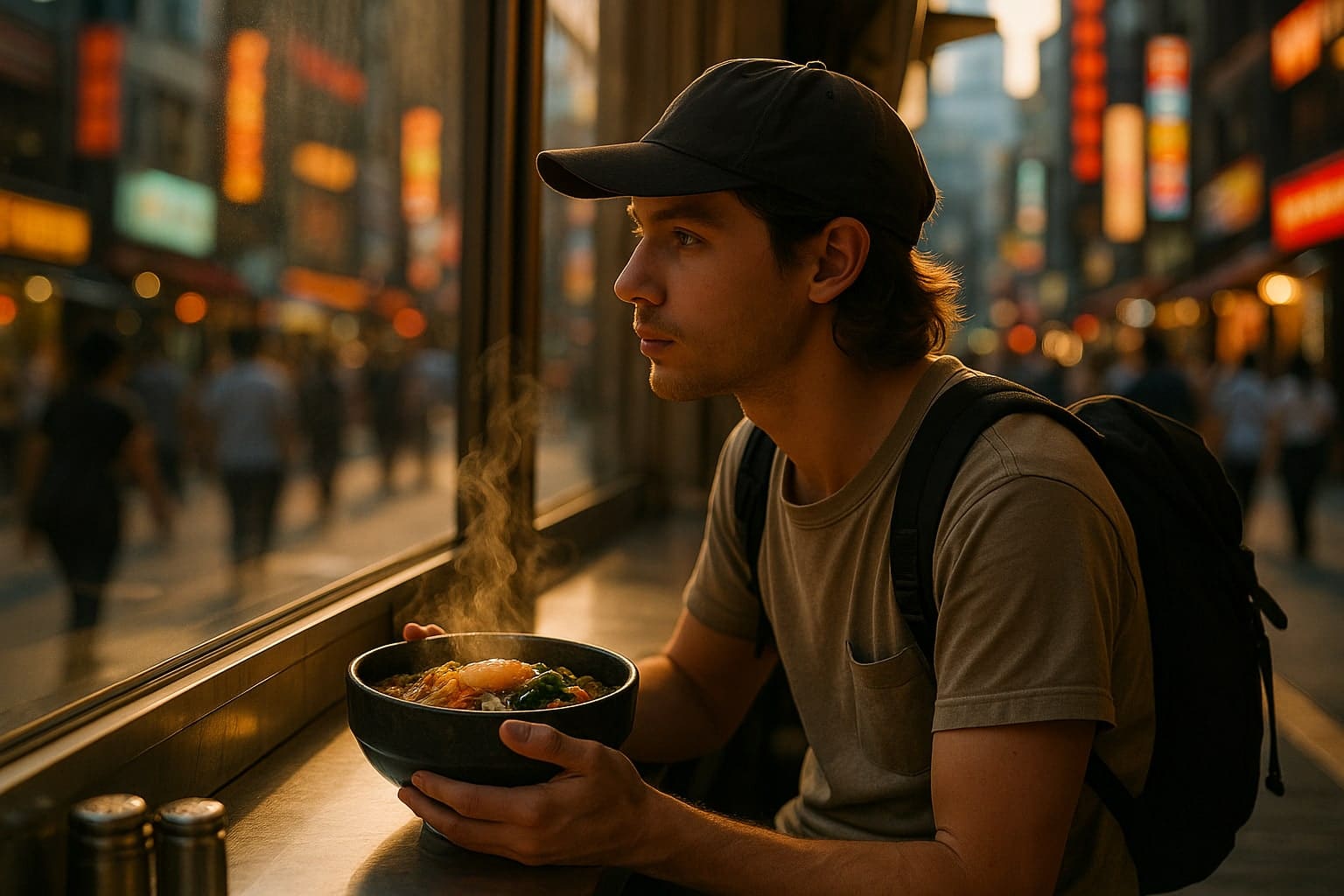
Seoul can’t be understood in an afternoon. The South Korean capital mixes Joseon palaces with glass towers, night markets where you eat standing up, and entire neighborhoods devoted to specialty coffee. For an adult traveler looking for culture, gastronomy and lots of walking, five days is the reasonable minimum: one for palaces, one for markets and traditional neighborhoods, one for contemporary art, one for nighttime food, and one spare day for nearby excursions.
The question that almost always comes first is money. Seoul is not Tokyo in terms of prices, but it isn’t Southeast Asia either: eating well is cheap, getting around is almost a gift, and accommodation is what takes the biggest bite out of the budget. This guide breaks down prices in Korean won (KRW) and US dollars (USD) with approximate 2024 figures, so you can do the math before buying your flight.
How much a 5-day trip to Seoul costs: approximate budget
As a quick reference, 1,000 KRW equals about 0.72 USD (the exchange rate fluctuates, so it’s worth checking). An independent traveler, without luxuries but not giving up eating out, spends in Seoul between 80 and 150 USD per day excluding the international flight.
| Concept | Backpacker | Mid-range | Comfort |
|---|---|---|---|
| Accommodation (night) | 25-40 USD | 70-110 USD | 150-220 USD |
| Food (day) | 15-25 USD | 30-50 USD | 60-90 USD |
| Transport (day) | 3-5 USD | 5-8 USD | 10-15 USD |
| Admission/activities | 5-10 USD | 15-25 USD | 30-50 USD |
| Total/day | 50-80 USD | 120-190 USD | 250-375 USD |
For five days, budget between 400 and 950 USD per person depending on profile, excluding flights. High season (cherry blossoms in April and red foliage in late October) raises hotel rates by 20-30%.
Accommodation in Seoul: neighborhoods and real prices
Myeongdong: central and well connected
Myeongdong is the shopping district par excellence, with subway lines 2 and 4. A three-star hotel like Nine Tree or Loisir costs around 80-120 USD per night. Hostels with dormitory beds drop to 20-30 USD. It’s suitable for a first visit: everything is close, currency exchange is open late, and the airport is one hour away by the AREX train.
Hongdae: for nightlife and a young atmosphere
Hongdae, around Hongik University, comes alive at night. Live music bars, cafés that close at 3 a.m., and guesthouses from 35-60 USD. If noise bothers you, avoid the main streets and look for accommodation in Yeonnam-dong, right next door, which is quieter.
Insadong and Bukchon: for a more traditional experience
If you’re interested in historic Seoul, Insadong and Bukchon Hanok Village offer hanok (traditional Korean houses) converted into accommodation. A night in a hanok costs 90 to 180 USD and usually includes a Korean breakfast. Sleeping on ondol (traditional underfloor heating) without a raised bed isn’t for everyone, but it’s an experience consistent with the neighborhood.
Public transport in Seoul: the most efficient system in Asia
The Seoul metro has 23 lines, English signage and trains every 2-3 minutes. A single trip costs 1,400-1,500 KRW (1-1.1 USD) within the central area. The T-money card, purchased at any convenience store (CU, GS25, 7-Eleven) for 2,500 KRW, works for the metro, buses and taxis.
For five days, topping up 30,000-40,000 KRW (22-29 USD) is usually enough. Buses cost the same and cover routes the metro doesn’t reach. Taxis start at 4,800 KRW and an average trip within the center costs 6,000-10,000 KRW (4.5-7.5 USD).
From Incheon Airport, the AREX express train reaches Seoul Station in 43 minutes for 11,000 KRW (8 USD). The regular train is cheaper (4,450 KRW) but takes an hour.
Food in Seoul: how much it costs to eat well
Eating is the best news for the budget. A bibimbap or a kimchi jjigae (kimchi stew) in a neighborhood restaurant costs 7,000-10,000 KRW (5-7.5 USD). Street food at Gwangjang Market or Myeongdong (tteokbokki, mandu, hotteok) costs 2,000-5,000 KRW each.
For a Korean BBQ dinner with samgyeopsal (pork belly) in a place with an extractor hood at every table, budget 18,000-30,000 KRW per person (13-22 USD) including unlimited banchan. Soju costs 4,000-5,000 KRW per bottle in a restaurant, and local beer (Cass, Hite) is around 5,000 KRW.
If you want to try high-end Korean cuisine, tasting menus at restaurants like Mingles or Jungsik range between 150 and 350 USD. For coffee, a cup at a specialty café in Seongsu-dong costs 5,500 to 7,000 KRW (4-5 USD).
5-day Seoul itinerary
Day 1: palaces and the historic center
Start at Gyeongbokgung, the main palace of the Joseon dynasty (admission 3,000 KRW, free if you wear a rented hanbok, about 15,000 KRW for four hours). Attend the changing of the guard at 10:00 or 14:00. Then cross to Bukchon Hanok Village and walk down to Insadong for lunch at Tosokchon or any samgyetang (ginseng chicken soup) spot.
Day 2: markets and street food
Gwangjang Market opens from 9:00 to 23:00. The bindaetteok (mung bean pancake) and mayak gimbap stalls are the busiest. In the afternoon, go up to Namsan Tower (observatory admission 16,000 KRW) or walk along the mountain’s fortress walls.
Day 3: contemporary art and design in Gangnam
Visit the Leeum Museum in Itaewon (general admission 20,000 KRW, free exhibitions) and cross the river to Gangnam. COEX Mall houses the Starfield Library, free and photogenic. Dinner in Apgujeong or Garosu-gil.
Day 4: Hongdae, indie and nightlife
Morning at the National Museum of Korea (free, closed on Mondays), afternoon in Hongdae strolling through the alleys of Yeonnam-dong. Korean BBQ dinner and drinks at one of the area’s jazz bars.
Day 5: excursion to the DMZ or Suwon
The DMZ (demilitarized zone) can only be visited on an organized tour for security reasons: 55-90 USD per person, full day, passport required. A more cultural alternative: Suwon Hwaseong, a UNESCO World Heritage fortress, 40 minutes away by metro (line 1).
What to bring back from Seoul
Before leaving, stop by Kyobo Book Centre (Gwanghwamun station) and look for a bilingual edition of poems by Kim Sowol or a hanji paper notebook. At supermarkets like Emart, a box of quality gim (toasted seaweed) costs 6,000-10,000 KRW and lasts months. If you enjoyed the food, book an afternoon before your flight for a kimchi class at O’ngo Food Communications in Insadong (around 75,000 KRW).
Frequently asked questions
How much does a 5-day trip to Seoul cost from Spain or Latin America?
Excluding flights, budget 600-1,200 USD per person for a mid-range trip. The flight from Madrid in shoulder season costs around 700-1,100 EUR; from Mexico City or Buenos Aires, 1,200-1,800 USD. Booking 3-4 months in advance makes a difference.
When is the best time to travel to Seoul?
Late April (cherry blossoms) and mid-October to early November (red foliage) are the most beautiful windows, but also the most expensive. May and June are pleasant. July and August are hot and humid, with monsoon rains. Winter is dry and very cold (down to -10 °C), but hotels and flights are cheaper.
Do you need a visa to enter South Korea?
Spaniards, Mexicans, Argentinians and most Latin Americans don’t need a visa for tourist stays of up to 90 days, but they do need the electronic authorization K-ETA (around 10,000 KRW). It’s best to apply at least 72 hours before the flight on the official website.
Can you pay by card everywhere?
Yes, Seoul is an almost cash-free city. Visa and Mastercard work in restaurants, shops and the metro. Carry some cash only for small traditional markets and family-run street stalls.
Do you need to speak Korean to get around?
Not essential, but it helps. The metro and tourist areas have English signage. Beyond that, Papago (Naver’s translator) works better than Google Translate for Korean. Learning basic hangul takes an afternoon and solves reading menus.