Oslo on a budget: how to visit it without spending €200 a day
Oslo has a reputation as the most expensive city in Scandinavia, but with the right strategy you can visit on a budget of €70–90 a day. I'll explain where you can cut costs without giving up the essentials.
The short answer: yes, you can visit Oslo spending well under €200 a day, and a realistic budget for a traveler who doesn’t want to go hungry or sleep on the street is around €70–100 a day, accommodation included. The €200 figure usually comes from adding up a mid-to-upper-range central hotel, restaurant meals every day and a paid museum without making the most of the free admission options. With planning, that amount can be cut almost in half.
This guide is aimed at people who travel independently, without a company expense account or unlimited per diems: couples, solo travelers or groups of friends who want to see Oslo without the final bill spoiling the rest of the trip. If you’re looking for Nordic luxury, this isn’t your article. If you want to see the city, eat well a couple of times and not come back with a maxed-out credit card, keep reading.
Why Oslo has a reputation for being expensive (and how much of it is true)
Norway is not part of the European Union but is part of the European Economic Area, and it keeps its own currency, the Norwegian krone (NOK). High wages, taxes on alcohol and limited competition in certain sectors (transport, restaurants) inflate prices compared with southern Europe. On top of that, much of the Norwegian economy relies on North Sea oil, which keeps the cost of living high even for basic products.
That said, Oslo is not uniformly expensive: public transport, museums and certain restaurants are in line with other European capitals. What pushes the average up is alcohol (a beer in a bar can cost €9–12) and mid-to-upper-range restaurants in the centre. By avoiding those two traps, the rest of the budget is fairly easy to control.
How much does a day in Oslo really cost?
Before going into detail, here is a table with three daily spending profiles, based on 2025–2026 prices:
| Item | Low cost (~€75/day) | Mid-range (~€130/day) | Uncontrolled (~€200+/day) |
|---|---|---|---|
| Accommodation | Hostel/shared dormitory: €25–35 | 3* hotel or apartment: €70–90 | Central 4* hotel: €130–160 |
| Food | Supermarket + 1 meal out: €20–25 | 2 mid-range meals out: €40–50 | 3 restaurant meals: €70–90 |
| Transport | Ruter day ticket: €8–9 | Oslo Pass included in entries | Occasional taxis: €15–20 |
| Leisure/museums | Free or Oslo Pass 24h: €0–45 | Oslo Pass 48h: €65 | Individual tickets: €20–30 |
| Miscellaneous (coffee, water, souvenirs) | €5–10 | €15–20 | €25–30 |
These ranges are indicative and vary by season and the NOK/EUR exchange rate, which you should check before travelling. The important thing is the logic: sleeping in a shared dormitory or an apartment with a kitchen, eating out once a day and making the most of free cultural attractions are the three levers that move the final bill the most.
Where to sleep without paying luxury hotel prices
Accommodation is the item that offers the greatest room for savings. Hostels in Grünerløkka (the alternative neighbourhood, with in-house roasted coffee and vintage shops) or near the central station offer dormitory beds from €25–30, with a shared kitchen to cut food costs. The Oslo Vandrerhjem and other hostels in the Norwegian network usually offer good value for money and are a 15–20 minute walk from the centre.
For those who prefer privacy without paying for a hotel, apartments in Grünerløkka, Grønland or Torshov cost around €70–100 a night for two people and allow you to cook, which drastically reduces food spending. Grønland, moreover, is the most diverse neighbourhood in the city and has many Middle Eastern and Asian grocery shops with prices well below standard Norwegian supermarkets.
Avoid booking on Karl Johans gate (the main street) unless budget is no concern: there hotel prices rise 30–40% compared with neighbourhoods ten minutes’ walk away.
Public transport: Ruter and the Oslo Pass
Transport in Oslo runs through Ruter, the company that operates the metro, tram, bus and some urban ferries. A single ticket costs around €4, but the 24-hour ticket, at €9–10, valid across the whole system, is the better value. If you’re going to make several trips a day, it pays for itself quickly.
The RuterBillett app lets you buy tickets from your phone without going through a machine, and it is the most practical option for a traveler without a local card.
Oslo Pass: price and when it’s worth it
The Oslo Pass includes unlimited transport, free entry to most museums (Fram Museum, Munch Museum, Viking Ship Museum) and some restaurant discounts. Indicative prices for 2026 are roughly €40–45 for the 24-hour card and €60–65 for the 48-hour one, although you should confirm the exact amount on the official Visit Oslo website before buying.
It clearly pays off if you plan to visit three or more paid museums in a single day, since individual entries cost around €15–20 each. If your plan is more about walking and seeing public spaces than going into museums, you’ll probably spend less paying for single transport trips and only the entries you really want.
Eating in Oslo without going broke
The most common trap is eating in restaurants three times a day. The Kiwi and Rema 1000 supermarkets are the cheapest in the city and have outlets throughout the centre; a lunch of bread, cheese and fruit from there costs €5–6, compared with €15–20 for a sandwich in a tourist café.
To eat out without paying guidebook restaurant prices, the Vippa market, by the fjord, brings together food stalls from different cuisines with dishes from €12–15, in a casual atmosphere in a converted hangar. Mathallen, in Grünerløkka, is more gastronomic and somewhat pricier, but lets you snack at several stalls without committing to a full menu.
Brunbrød with gravlaks (rye bread with cured salmon) from a neighbourhood bakery costs around €8–10 and is an honest way to try something typical without paying tablecloth restaurant prices.
What to do for free in Oslo
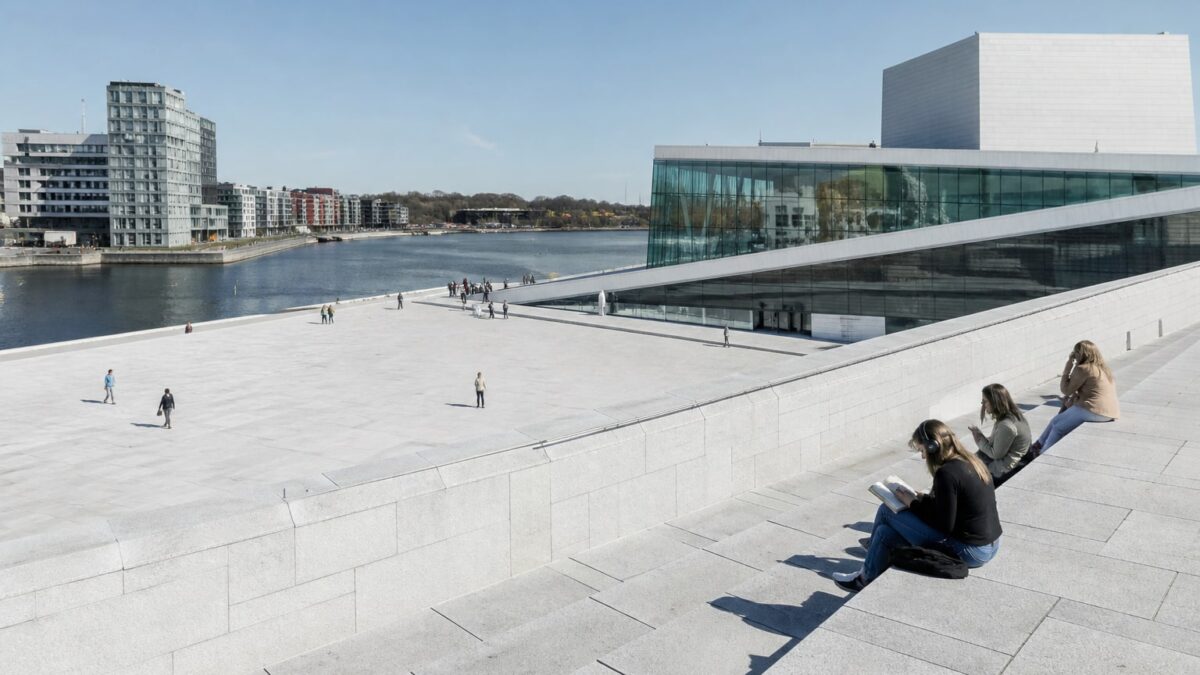
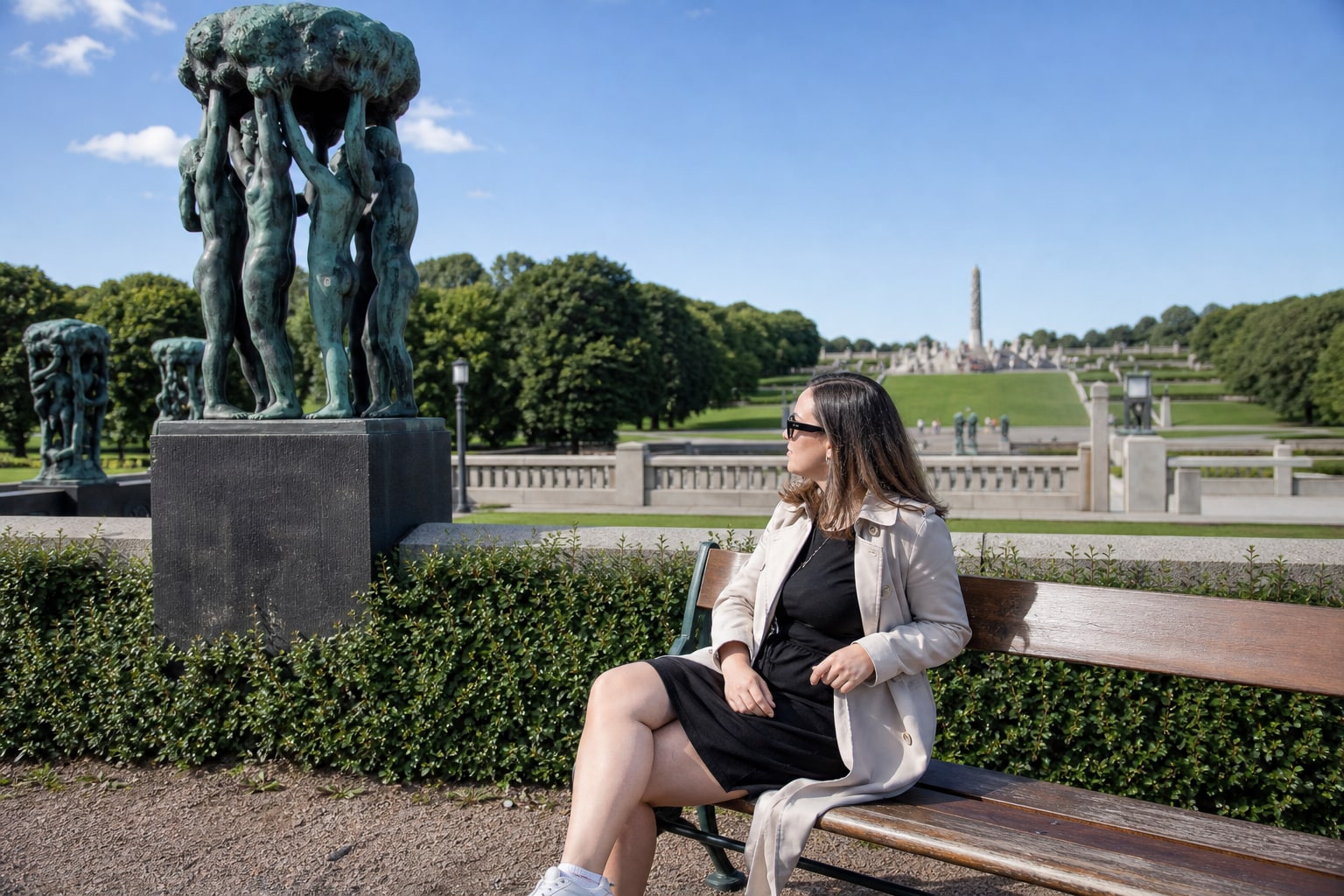
Oslo offsets part of its cost with a considerable number of activities that cost nothing. The Vigeland Park, the sculpture park by Gustav Vigeland, is free and one of the largest outdoor sculpture ensembles in Europe. The Oslo Opera House, on the fjord, has a sloping roof you can walk up to the top of for free, with views over the water.
Strolling around Akershus Fortress, the medieval fortress by the harbour, is free unless you want to enter the military museums inside. The Grünerløkka neighbourhood and the banks of the Akerselva river can be explored on foot at no cost, and are among the city’s most pleasant places to spend an afternoon.
When to go to pay less
Oslo’s high season runs from June to August, with very long daylight hours but also rising accommodation prices. Winter (November–February) has cheaper hotels but very few hours of daylight, which limits useful time for outdoor sightseeing. The best price-to-experience ratio is usually in May and September, with days still long, fewer tourists and somewhat more moderate accommodation rates, although you should check the weather before travelling because it can be unpredictable.
Common mistakes that make the trip more expensive
The most common mistake is unknowingly drinking alcohol in city-centre bars: a single beer can cost as much as a whole meal. Buying from Vinmonopolet (the state monopoly for alcoholic beverages) and drinking at the apartment or accommodation is much cheaper, although it has restricted opening hours and is closed on Sundays.
Another mistake is not booking airport transport in advance: the Flytoget train is fast but expensive (around €12–14 one way), whereas the express bus or the NSB regional train cost considerably less for a slightly longer journey.
Safety and scams
Oslo is generally a safe city, with low levels of violent crime. The main risk is pickpocketing in busy tourist areas such as Karl Johans gate or the harbour, especially in summer. There are no “classic” tourist scams like in other European capitals; the greatest real risk is overspending without realising it, not physical safety.
FAQ
How much does a day in Oslo cost on a tight budget? Between €70 and €90 per person is realistic if you stay in a hostel or shared apartment, eat out once a day and take advantage of the city’s free activities.
Is the Oslo Pass worth it? Yes, if you plan to visit several paid museums on the same day. If your plan is more about walking than entering museums, you’ll probably spend less paying for transport and individual entries.
Is Oslo cheaper than Stockholm or Copenhagen? Not especially; the three Scandinavian capitals have similar price levels, although Oslo tends to be slightly more expensive for alcohol and restaurants. If you’re choosing between Nordic destinations for a first visit, you may find it helpful to compare Stockholm or Copenhagen for a first trip to Scandinavia.
Can you eat well in Oslo without spending much? Yes, at markets such as Vippa or by shopping at Kiwi and Rema 1000 supermarkets. The key is to limit tablecloth restaurants to one meal a day at most.
When is the cheapest time to travel to Oslo? May and September offer a good balance between daylight, fewer crowds and accommodation prices somewhat lower than in midsummer.
Practical conclusion
If you’re planning your budget for Oslo, start by booking accommodation with a kitchen in Grünerløkka or Grønland, buy the Ruter day ticket or the Oslo Pass depending on how many museums you want to visit, and book a market meal at Vippa as a treat for one day. Cover the rest with supermarket food and the dozens of free corners the city has: with that combination, €200 a day will be far more than you need.
As an Amazon Associate, I earn from qualifying purchases.

0 comments · Comment