Eisenstadt, the City of Iron
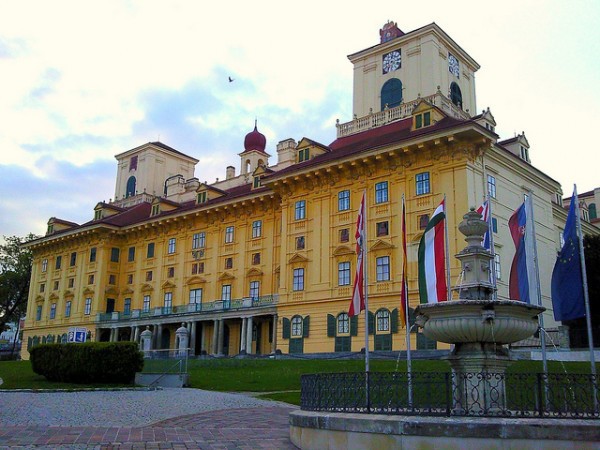
One of the nine federal states of Austria is Burgenland. And the capital of this state is a city with a small population but a rich history dating back to the Iron Age in Europe, and whose culture has spread across almost the whole Austrian country. We are talking about the city of Eisenstadt, also known as the City of Iron.
Eisenstadt’s culture goes back through the Bronze Age and the European Iron Age, and is recognized through the various archaeological finds collected in its area. From salt mines to the discovery of cemeteries and cremation techniques from that era, they give this historic cultural spirit to this town.
Thanks to population movements, culture and trade became evident in the city, leading to greater growth in those areas. In addition, the influence of the Habsburg monarchy should be highlighted, as they had their seat in this city, and the Austrian composer Joseph Haydn lived here for quite a long time.
The most striking monument in this town is the Esterházy Palace, residence of the princes of the same name, who descended from the Habsburg monarchy. This palace was originally a Gothic castle (from the year 1364) which, some 300 years later, was demolished and rebuilt by order of the prince, giving it the majestic appearance it has today. One of the most interesting rooms is the Haydn Hall, which features the music of this composer alongside the splendid frescoes painted on its ceiling.
Joseph Haydn was the orchestra director in this palace for just over 40 years, from 1761 onward. This composer’s influence brought fame and cultural splendor to the city, which paid tribute to this fact by creating other sites of interest related to him, such as the Haydn Church, located on a hill, the Haydn Mausoleum, and the Baroque house bearing his name. Finally, in September, a music festival brings together the best performers of his work at the International Haydn Days.
Other places worth noting include the Orangerie, a large and ornate greenhouse located on Bergstrasse; the Domkirche, a late Gothic church; the Town Hall or Rathaus; and the city’s Jewish cemeteries, which follow all Jewish traditions to honor the dead.
As for museums, we must not miss the Haydn Museum, dedicated to the composer; the Regional Museum or Landesmuseum; the Jewish Museum, more than 250 years old; or the curious Feuerwehrmuseum or Fire Brigade Museum, where the history of the city’s fire service is displayed, including, among other things, vehicles in use dating back to 1930.
And to buy the typical souvenirs to show our family and friends, nothing is better than a stroll through the old town, where you can also see monuments that form part of its artistic heritage. Not before having enjoyed the typical Austrian food and drink in the traditional taverns called Heurigen, found in the Saint Georgen and Kleinhöflein districts. You can visit Rumbo on Facebook to plan your trip.
Source | austria.info
Photo | flickr-Karen V Bryan
1 comment · Comment
1 comment