Astronomical tourism in Chile
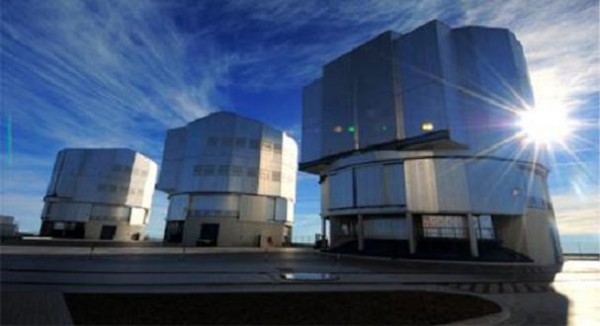
Chile has the best astronomical observatories in the Southern Hemisphere. Its climatic and atmospheric conditions make some areas of the country, such as Region IV (Coquimbo), perfect places for observing the night sky. But it is not only a perfect place for scientists, since many of these observatories allow tourist visits. This has made Chile one of the main astronomical tourism destinations in the world.
The advantages of the Chilean sky for astronomical observation are the large number of clear-sky nights, in some areas every night of the year, the especially dry climate, the absence of pollution and atmospheric stability. Until the late 1990s, Chilean observation centers were exclusively scientific. But in that decade the Mamalluca Community Observatory was inaugurated, inside Vicuña, designed exclusively for tourists, which does not mean it is not of very high quality.
Following the success of Mamalluca, Collowara was built near Andacollo at 1,300 meters above sea level; Cruz del Sur, in the Limarí valley, a structure of four domes with powerful digital telescopes between 14 and 16 inches, connected to each other by a multipurpose room with a spherical vault; and Cerro Cancana in Cochiguaz, all of them designed to be outreach centers. Other observatories such as Paranal in Antofagasta, La Silla, Tololo and Las Campanas in Coquimbo, allow public entry, although their activity is scientific.
You can book a 3- or 4-day program which, in addition to the chance to observe the sky from an astronomical observatory, lets you experience an adventure through the arid landscape of Region IV. There are also full-day or half-day excursions. They depart from La Serena and can be booked on the Turismo Astronómico website. You can also get information on Rumbo on Facebook.
Via | Expeso
Photo | Chile Travel