Safety in Tokyo: nighttime scams in Kabukicho and Roppongi and how to avoid them
Kabukicho and Roppongi concentrate almost all of Tokyo's nighttime scams: bars with inflated bills (bottakuri), touts who lure tourists in, and girl bars with drinks at €300. We explain how to spot them and what to do if you've already fallen for one.
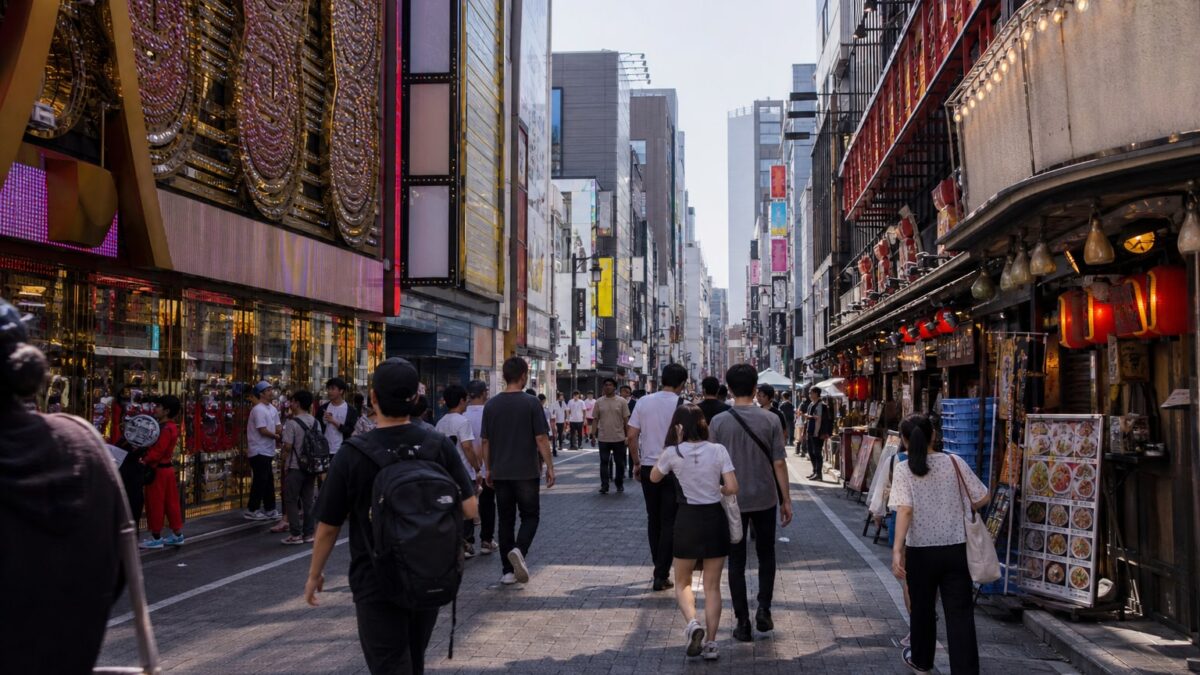
Is Kabukicho safe at night? The short answer
Yes, in the sense that physical violence against tourists is very rare. Tokyo remains one of the safest capitals in the world for walking late at night, and that doesn’t change in Kabukicho or Roppongi. The real risk isn’t having your wallet stolen on the street: it’s walking into a venue and leaving with a €400 bill for three drinks.
That nuance matters because it changes the strategy. You don’t need to avoid these neighborhoods—they’re part of the most interesting nightlife in Tokyo, with their neon signs, yakitori alleys and urban characters—but you do need to know how to identify whom not to follow and which door not to walk through. That’s what we’re going to break down: the type of scam, how to recognize it and how to avoid it, including the Japanese proper names.
Why Kabukicho and Roppongi concentrate Tokyo’s scams
Kabukicho, in the Shinjuku district, is the largest nightlife quarter in Asia: some 3,000 venues between bars, karaoke places, pachinko parlors and host clubs packed into a handful of blocks. Roppongi, in Minato, grew as an entertainment zone for American military personnel after the war and today mixes international clubs, luxury restaurants and a nightlife that especially attracts tourists and expats.
Both share one common denominator: a high concentration of visitors who don’t read Japanese, don’t know the reference prices and usually have been drinking after midnight. It’s the perfect breeding ground for two practices with specific names: bottakuri (ぼったくり, “inflated bill”) and touts or kyacchi (キャッチ), the street touts.
The bottakuri scam: the bill that skyrockets
How it works
You walk into an apparently normal bar, sometimes lured by a sign with photos of smiling girls or a promise of “all you can drink” at a fixed price. You order a couple of drinks. When the bill arrives, there’s an “entrance charge” (sekiryo), a “table service fee,” a “companion charge” if a waitress has sat down with you, and VAT on top. The total can easily reach between €300 and €1,000 for two or three people.
If you protest, security staff usually appear—sometimes with ties to yakuza groups in the older cases, although the Metropolitan Police has greatly reduced this presence since the cleanup campaigns of the 2010s—who escort you to an ATM.
How to identify it
- The venue shows no visible prices in the window or at the door.
- A tout on the street invites you in with phrases like “cheap drinks” or “happy hour” without specifying figures.
- There are photos of young women on the sign, but the interior can’t be seen from outside.
- The menu, if there is one, is only in Japanese or doesn’t include prices.
How to avoid it
- Never enter a bar on the invitation of someone who approaches you on the street.
- Ask the price before sitting down, even if you feel silly doing it.
- Look for venues with a menu visible in the glass, in yen, with tax included (zeikomi).
- If you’re already inside and something smells off, ask for the bill before ordering anything else.
- Pay by card if you can: it leaves a trail and makes a later claim easier.
Touts in Kabukicho: the street recruiters
In Japanese they are called kyacchi (キャッチ, from “catch”), and their activity is technically banned by municipal ordinance in several areas of Kabukicho since 2023, with fines for venues that employ them. Even so, they’re still there, especially between 10 p.m. and 2 a.m., standing on corners of streets such as Godzilla Road or near the east exit of Shinjuku station.
They usually speak basic English, tend to target men alone or in groups, and offer “girl bars,” cheap karaoke or clubs with “cute girls.” If you agree to follow them, they collect a commission from the venue they take you to, and that venue is usually one practicing bottakuri.
The simplest rule: in Japan, unlike other cities, no legitimate business needs to aggressively recruit customers on the street at midnight. Ignore them, don’t slow down, don’t reply in English or stop to “just listen.” A firm “kekkou desu” (結構です, “no, thank you, I’m fine”) is usually enough.
Girl bars and host clubs: the trap of the “free” drink
Girl bars—venues where young women chat with customers in exchange for them buying very expensive drinks—are a legal business in Japan, regulated as adult entertainment establishments (fuzoku eigyo). The problem arises when the tourist doesn’t understand the pricing structure: a drink may cost between €15 and €30, but the “girl’s time,” the service and the extras send the bill soaring.
The variant aimed at female tourists are host clubs, with well-groomed men offering conversation and champagne at equally inflated prices. Both models rely on aggressive street advertising and “first visit” discounts that hide fine print.
If you want to try this experience—it’s a genuine part of Japanese nightlife culture and there’s nothing wrong with approaching it with curiosity—do it in venues with verifiable reviews, ask the hourly rate before sitting down and set a spending limit out loud when you walk in.
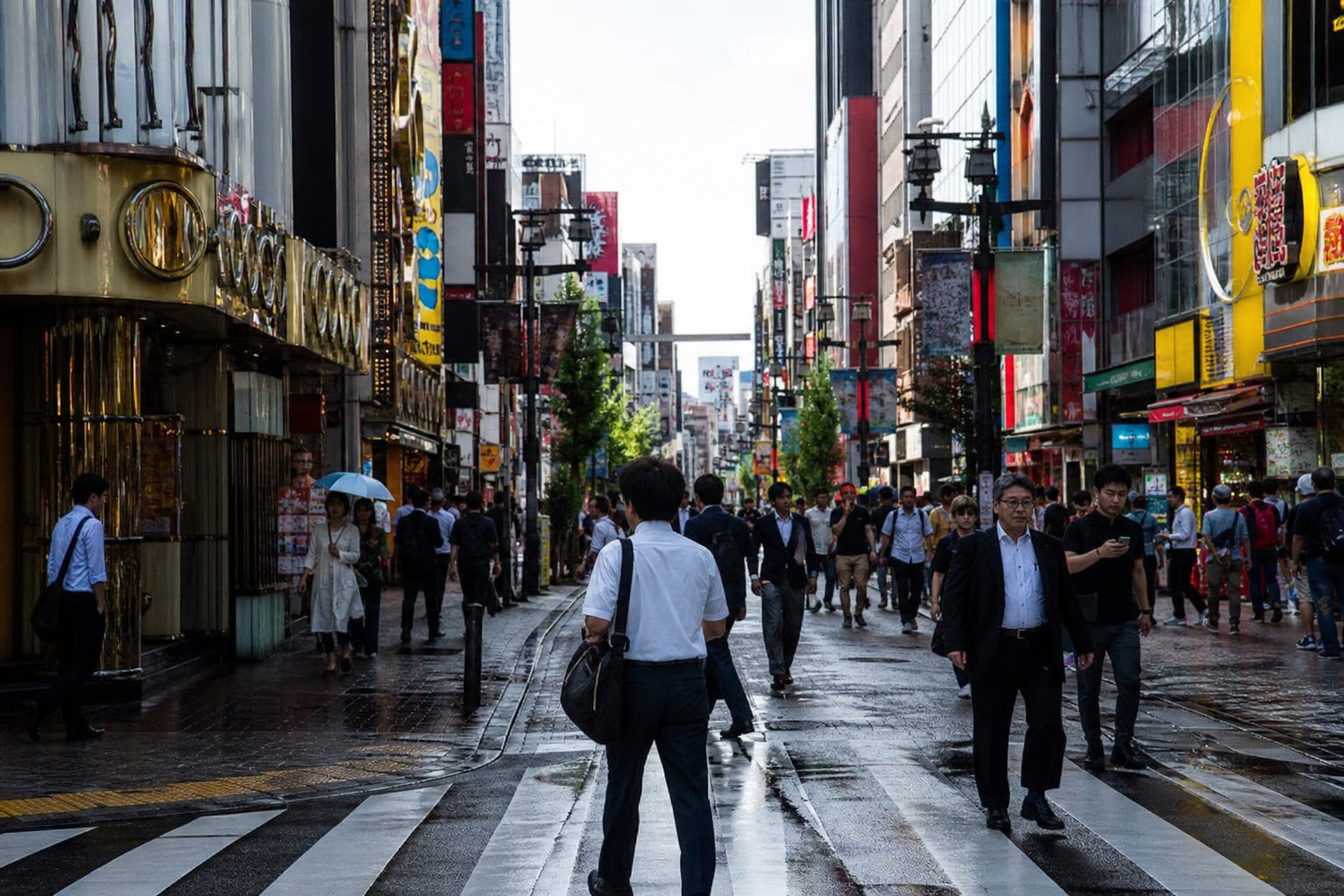
Roppongi: the version aimed at foreigners
Roppongi has its own version of the problem, somewhat different from Kabukicho’s because here the tout usually speaks fluent English and targets Western tourists specifically, especially near Roppongi Crossing and the exit of the Hibiya Line station. The typical offer is “all you can drink” for a fixed sum—say €30—which then turns out not to include certain cocktails, or charges per person without warning about entrance surcharges.
It’s also the area where the use of adulterated drinks (drink spiking) is most reported, used to overcharge or outright rob an incapacitated customer. The Tokyo Metropolitan Police has issued specific warnings about this in recent years, aimed mainly at foreign visitors in the area’s clubs.
Summary table: types of scam and how to act
| Scam | Where it happens | Warning sign | What to do |
|---|---|---|---|
| Bottakuri (inflated bill) | Kabukicho, bars without prices | No visible prices, a tout at the door | Don’t go in; if you’re already inside, ask for the bill immediately |
| Touts / kyacchi | Kabukicho streets, 10 p.m.–2 a.m. | They approach you offering “cheap drinks” or “cute girls” | Ignore them, don’t slow down, say “kekkou desu” |
| Girl bars with unclear pricing | Kabukicho and Roppongi | “First drink free” with no hourly rate | Ask the hourly rate before sitting down |
| Misleading all you can drink | Roppongi | Fixed price that later excludes drinks | Ask for the full promotion terms in writing |
| Adulterated drink | Roppongi clubs | Sudden dizziness after a drink you didn’t see being poured | Don’t leave your drink unattended; leave and find the venue’s security staff |
Areas and hours of highest risk
The risk concentrates in a very specific time window: from 11 p.m. to 3 a.m., when the last train has already gone and people look for other leisure options or simply end up stranded. In Kabukicho, the most problematic streets are those around Godzilla Road and the surroundings of the Robot Restaurant (closed as such, but the area remains a recruitment hotspot). In Roppongi, exit 3 of the station and the Roppongi Crossing area account for most of the warnings.
Outside that time window and those specific streets, both neighborhoods work like any nightlife zone in Tokyo: noisy, full of lights, but without incidents. If you arrive before the heavy part of the night starts and avoid wandering alone looking for “the best bar” after 2 a.m., the risk drops dramatically.
What to do if you’ve already been scammed
- Don’t argue or struggle inside the venue; leave as soon as you can without creating a scene that escalates.
- Call the police from the street by dialing 110 (emergencies) or go to a koban, the small neighborhood police boxes found every few blocks in Tokyo.
- If you paid by card, contact your bank to start a dispute for an unjustified charge; keep the receipt if one was given to you.
- Report the venue to the Shinjuku or Minato tourist office; it helps them keep acting against these establishments.
- Avoid returning to that street or venue, even if they insist it was “a mistake.”
General nighttime safety tips in Tokyo
- Always carry some cash apart from your card: in a dispute over an inflated bill, you don’t want to depend on a single payment method.
- Photograph the menu or price board before sitting down, in case you need evidence later.
- Walk with someone if you’ve been drinking; the risk drops a lot in a group.
- If your Japanese is nonexistent, use your phone’s translator to ask “ikura desu ka” (いくらですか, “how much is it?”) before consuming anything.
- Before your trip, review the common mistakes on a first trip to Tokyo, which include more useful etiquette nuances for moving confidently at night.
- Always carry some yen in cash; it’s worth reviewing beforehand how much money to bring to Tokyo and which ATMs work so you don’t depend on a single card in a bill dispute.
FAQ
Is it safe to walk alone through Kabukicho at night? Yes, walking is safe in terms of physical violence. The risk lies in entering venues without verifying prices or following a tout, not in simply strolling the streets.
What exactly is a bottakuri? It’s an abusive billing practice where a bar adds hidden charges—entrance, service, companion—to the final bill, multiplying the expected price of a normal drink.
Should I follow someone who invites me to a bar on the street? No. No legitimate business in Tokyo needs to aggressively recruit customers at midnight. Ignore them and keep walking.
Are girl bars and host clubs illegal? No, they are legal businesses regulated as adult entertainment. The problem isn’t their existence but the lack of price transparency at certain specific venues.
What do I do if I’ve already paid an inflated bill? Leave the venue without arguing inside, go to a koban or call 110, and if you paid by card, dispute the charge with your bank using whatever evidence you have.
Is Roppongi worse than Kabukicho? It’s not worse, it’s different: Roppongi attracts more foreigners with fluent English from the touts and has more reports of adulterated drinks; Kabukicho has a higher density of classic bottakuri.
The concrete recommendation
If you’re going out at night in Kabukicho or Roppongi, enter only venues where you can see the price before sitting down, and treat any street invitation after 11 p.m. as a signal to keep walking. That single rule avoids 90% of the problems reported in these two neighborhoods.§h249§
0 comments · Comment