Mérida, a Valuable Site for Many Civilizations (I)
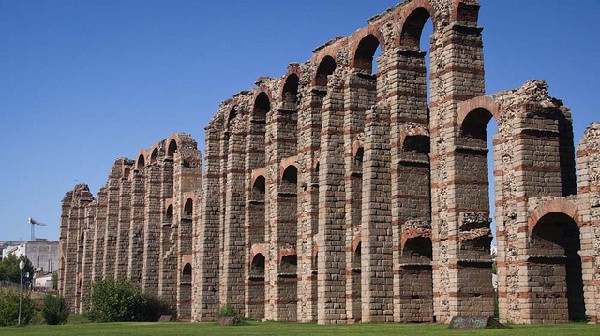
There are cities where feeling the pulse of ancient civilizations is inevitable, and Mérida is one of them. Located at an altitude of 200 meters and crossed by the Guadiana and Albarregas rivers, it was a site of great importance for all those who settled there century after century. The first to found a city here were the Romans, who named it Augusta Emerita. It became a retreat for distinguished veterans of the Roman legions and was endowed with all the amenities of a great city.
Later it passed into the hands of the Visigoths, becoming the capital of the Barbarian Kingdom, until the Muslims arrived and settled there. It was not until 1230 that it was reconquered by the Christians. Thanks to all these civilizations, the legacy left on the city’s lands is of incalculable value. We can therefore take a journey through time by visiting its main archaeological remains and most emblematic buildings.
The Roman Theatre is the main indicator of the city’s wealth, with capacity for six thousand spectators. It was built on a hill in 15 BC. In the city centre we can see the Temple of Diana, a place of worship that remains in good condition because it was later incorporated into a Renaissance palace.
Another example of Roman architecture is the Aqueduct of Miracles, named for the amazement felt by those who saw it for the first time. Its purpose was to bring water from the Proserpina reservoir to supply the city. More than eight hundred metres of the original structure survive, and in some places the piers reach twenty-seven metres in height. Finally, there is the Roman Bridge, more than eight hundred metres long, with sixty-five semicircular arches. It became one of the city’s most valuable assets for the expansion of trade and also served as a strategic point during wars.
Source | Turismo Mérida
Photo | Flickr-Antonioj.pineda
1 comment · Comment
1 comment