Murcia, the Orchard of Europe
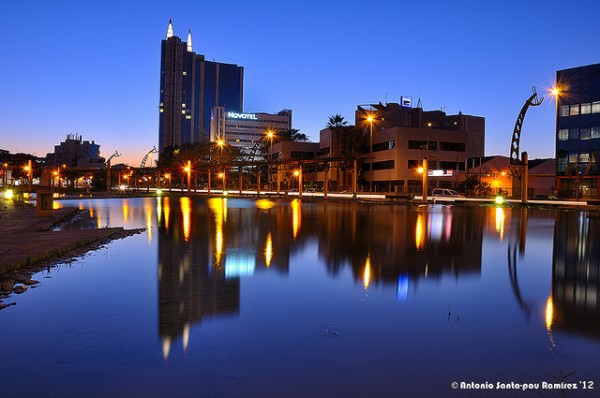
In the heart of the Segura River Valley lies the city of Murcia, the seventh largest city in Spain by population, with almost four hundred and fifty thousand inhabitants. It is a locality of great industrial and cultural importance, not only for Spain but also for the rest of Europe.
A city of great importance in terms of services, it stands out above all for its agricultural exports, a highly specialized sector since the first half of the 20th century. It is no coincidence that it is known as the Orchard of Europe. The textile, food, chemical and furniture industries are part of Murcia’s economy.
What should we see if we take a stroll around Murcia? As in almost all Spanish capitals, its magnificent Cathedral. The Cathedral of Santa María is located in the old town, specifically on the Plaza de Belluga. Construction began in the 14th century, it was completed in 1465, and it displays several architectural styles, such as Gothic (especially in the interior), Renaissance and Baroque. The cathedral also houses a museum that displays its entire treasure.
Now that we have visited the cathedral, it is worth walking through the old town. Here we can admire the Episcopal Palace, which dates from the 18th century. A few meters from the cathedral is the esplanade known as La Glorieta, a square with gardens, where we can also see the Town Hall inside, in neoclassical style, which houses the seat of Murcia’s City Council.
Churches such as the College of San Esteban or the Church of San Pedro, or buildings from the Muslim period such as the Alcázares Seguir and Nasir, or the archaeological site of the Arrixaca suburb, in the former garden of San Esteban, whose project to become a museum open to the public is about to materialize. And also buildings in different architectural styles such as the Pacheco Palace, in Renaissance style, or the Floridablanca Garden, dating from the Romantic period of the 19th century, are some of the many places we can visit on our walk through Murcia.
Theatres such as the Teatro Romea, located on Plaza Julián Romea, the Teatro Circo, which today is the Experimental Centre for Performing Arts, or the Teatro Bernal, located in the district of El Palmar. And museums such as the Museum of Archaeology, the Museum of Fine Arts, the Museum of Science and Water, or the Bullfighting Museum are just a small sample of the cultural offer of the capital of the Murcia region.
And after the long walks we will need in order to appreciate all of this, what could be better than a good meal with typical dishes of the city, such as zarangollo (scrambled eggs with zucchini, onion and potato), cod fritters, stuffed quails, or paparajotes, a typical dessert made of lemon tree leaves coated in a batter of flour and egg which, once fried, are sprinkled with sugar and cinnamon.
Murcia, which in addition to standing out in our country and the rest of Europe for its formidable agricultural industry, offers every visitor from around the globe a magnificent cultural postcard that we can enjoy at any time of the year.
Source | murciaturistica
Photo | Flickr – photographer Santa Pau
1 comment · Comment
1 comment