The Basilica of Saint Valentine in Terni
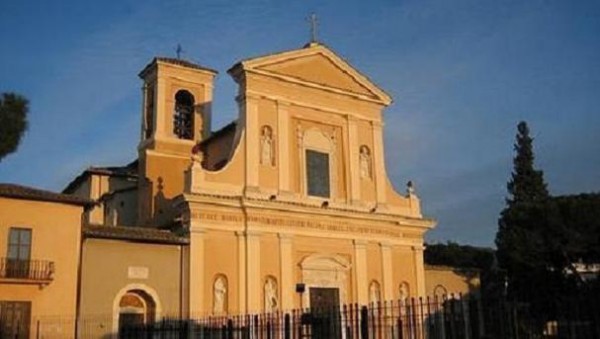
Italy is a country with many romantic corners. Rome, Venice or Verona are spoken of as cities of love, but only one is the Capital of love: Terni. Here stands the Basilica of Saint Valentine, which holds the remains of one of the three Christian martyrs of the same name.
Saint Valentine of Terni is credited with the origin of the feast of February 14th, the day of lovers. History and legend blend when speaking of the origin of the festivity, which disappeared from the Catholic calendar with the Second Vatican Council because it could not be confirmed. It is known that Saint Valentine was bishop of this city after being consecrated by Pope Saint Felician. The distinction was apparently granted because the priest officiated marriages between pagans and Christian women, despite the official prohibition.
The Basilica of Saint Valentine was built over an ancient Christian cemetery. A first church was built over the remains of the oratory where Saint Valentine’s followers gathered, but it was destroyed in the 6th century. In the 13th century the church was rebuilt, and it was not completed until the 17th century. Between 1960 and 1970 it took on its present appearance. In 1630 the remains of Saint Valentine were placed in a solid silver urn and positioned beneath the High Altar, where they still remain.
Every year on February 14th, the Feast of the Promise is celebrated in the Basilica. Couples from all over Italy and, increasingly, from other parts of the world exchange a solemn promise of marriage before the saint’s remains. At the same time, couples celebrating many years of marriage renew their promise to remain together for life.
You can visit Terni by staying in the city itself or as a day trip from Rome. It is 113 kilometers from the capital, about 1 hour and 20 minutes by car. If you want to coincide with the Promise ceremony, it is best to book in advance, as more and more couples are drawn to this celebration. You can plan your trip for next year using social media, such as at Rumbo.es on Facebook.
Photo | ABC
More information | Diocesi Terni
1 comment · Comment
1 comment