Route 40
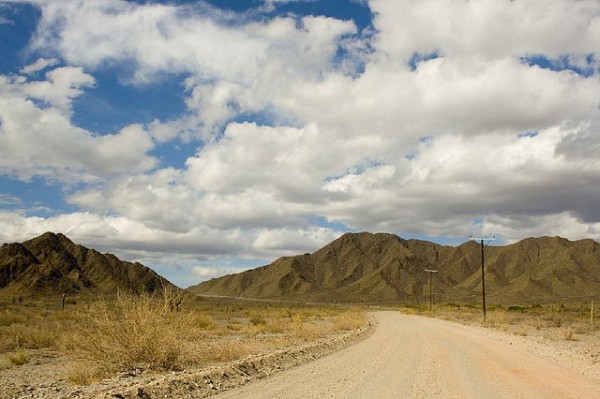
One of the best-known roads in the country and in the world is Route 40. It has the distinction of crossing almost the entire country. Today we will tell you the facts you should keep in mind if you want to travel it.
National Route 40 is a road that connects Cabo Vírgenes (in the Province of Santa Cruz) and reaches the border with Bolivia, in the city of La Quiaca (Province of Jujuy). The route runs parallel to the Andes Cordillera, coming closer to and moving away from it at different points.
Without a doubt, it is the longest in the entire country, passing through different regions, cities, climates, and ecosystems. It passes through 21 national parks and 18 major rivers, reaching 5,000 meters above sea level (Abra del Acay in Salta), and crosses 11 provinces. Route 40 provides access to various cities and regions that would otherwise be impossible to reach due to their geographic features.
Over its history, various stretches have been paved. In fact, in 2004 many of the routes were significantly improved as a way to encourage tourism along it (similar to what happened with Route 66 in the United States). By 2006, the road was paved for only 48 percent of its length. Route 40 began to be built in 1935, and since then its route has changed several times.
Source | Wikipedia
Photo | Flickr – Vtoxic

1 comment · Comment
1 comment