Visiting Alburquerque

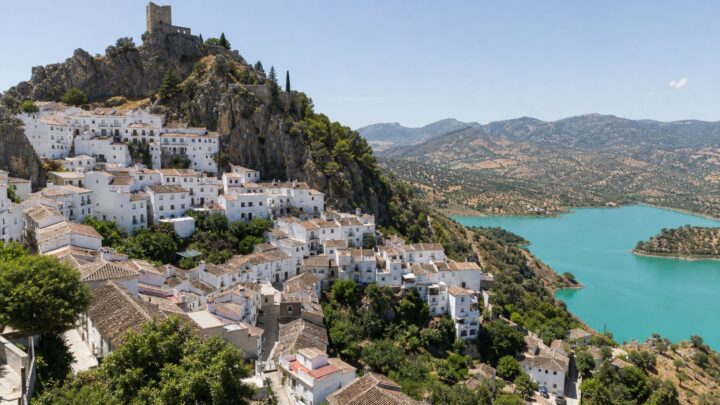
Alburquerque is a town in Extremadura located in the Sierra de San Pedro, 45 kilometers from Badajoz and very close to the Portuguese border. In fact, on clear days it is possible to see Portuguese lands. Due to this proximity to the neighboring country, in times of conflict Alburquerque suffered the depopulation of its young men, who were conscripted, attacks by enemy troops, and even its lands were constantly devastated.
Although its origins are very ancient, as archaeological findings in its lands attest, the name of the city comes from its Arab past and means “land of cork oaks,” a logical name given the large number of this type of tree in the surroundings. However, the most relevant historical legacy regarding monuments and buildings dates from the medieval period, with the Castillo de Luna being its greatest representative, to which we will dedicate an article at another time.
From these dates are, for example, its city walls and access gates such as the Puerta de la Villa or the Puerta de Valencia, largely preserved though with later additions. Even parts of these walls have been covered by the houses that were built over the years and attached to them. Within its perimeter we find the Villa Adentro or Teta Negra, the names by which the Gothic-Jewish quarter is known. Here we can appreciate the typical winding medieval alleyways and their generally single-story houses, with white facades and ogee arches.
Other places of interest, in this case religious, are the Church of Santa María del Mercado and the Parish Church of San Mateo. Setting aside the monuments, you may also find other curious elements such as the Clock Tower, whose base was reduced to allow passage, the Piedra del Berrocal on Calle Rosario, an enormous rock formation that seems about to fall onto passersby, or the Rock Paintings near the Municipal Swimming Pool, which show schematic figures from the Bronze Age and were declared a National Monument in 1942.
Source | Alburquerque Town Council Website
Photo | Association for the Development of the Sierra de San Pedro
1 comment · Comment
1 comment