The Carnation Revolution, a little bit of Portugal's recent history
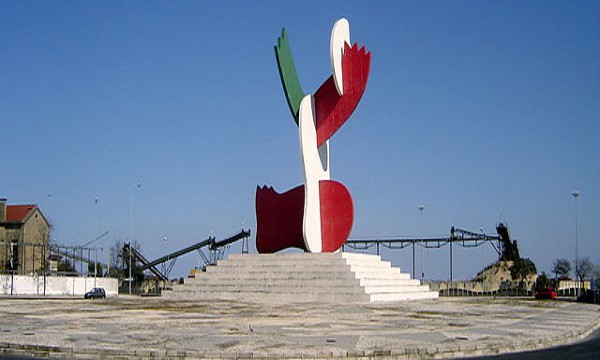
Portugal is now a Republic, but for most of the 20th century it was a dictatorship, one of the longest-lasting in Europe. After a series of highly troubled governments, Salazar came to power in the 1920s and began an era in which the most rigid and self-sufficient conservatism prevailed.
This entire period of Portugal’s history came to a definitive end on a spring day in 1974, thanks to an event that has become one of the country’s symbols: the Carnation Revolution. A military revolution that was also popular, without bloodshed, full of a romanticism that the Portuguese love to commemorate every April 25th, a public holiday in the Portuguese country.
The so-called Carnation Revolution was plotted in the barracks a year before it happened, by generals with leftist ideologies. Finally, the army took to the streets in the early hours of April 24th, to the sound of “Grândola Vila Morena”, a song by José Alfonso that would become the symbol of a revolution. Within a few hours, and after some military maneuvers, the government was overthrown and power was about to fall into the hands of the people.
Despite calls for caution, people could not stay in their homes and poured into the streets to celebrate the fall of the regime. In Lisbon, a large crowd gathered in the central Praça do Comércio and handed red carnations to the soldiers, a practice that spread throughout the whole country. The image of army members carrying their weapons adorned with flowers went around the world, and in passing gave this event in Portuguese history its name.
So, if you are in Portugal on April 25th, you should know that it is a public holiday, and now you also know why. It is their national holiday, and therefore it is a day with many activities and institutional commemorations.
Photo | Wikimedia – Jose de Guimaraes

2 comments · Comment
2 comments