Mannheim, a city of inventors
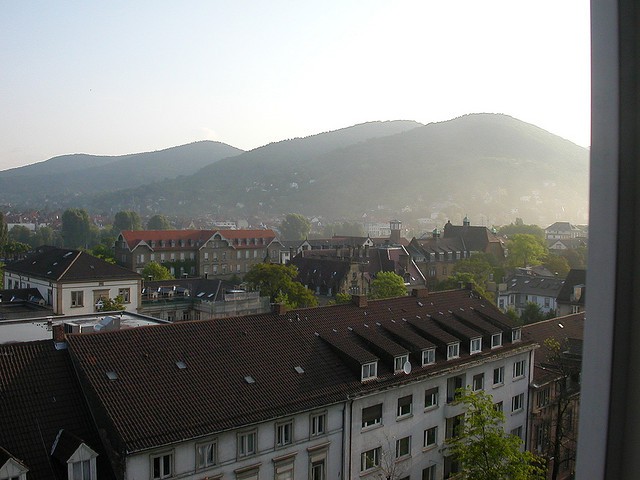
The second most important city in the state of Baden-Württemberg is an industrial city with a population of around three hundred and twenty thousand inhabitants. It offers an interesting cultural scene but, without a doubt, it is its industry and the inventions created there that have given it a more important name. We are talking about the city of Mannheim.
Industrial importance, especially for its railway network and its large river port, one of the largest in all of Europe. Together with the towns of Ludwigshafen am Rhein and Frankenthal (both in the state of Rhineland-Palatinate), it forms an important economic area called the Rhine-Neckar Triangle. In addition to all this, in Mannheim is located the main production plant of Mercedes Benz.
Mannheim is also notable for being a land of invention. In 1817, the German researcher Karl Drais built the first bicycle. In 1886, the first automobile by Mercedes Benz began to run on the roads. In 1921, the famous Lanz Bulldog tractor model appeared. And in 1929, the world’s first rocket was designed by the inventor born in the same city, Julius Hatry.
To this parade of inventions and industry, we must add the cultural offer which, as we mentioned earlier, is also quite interesting. The National Theatre, with important opera, dance and theatre performances and pop or classical music concerts, along with other types of cultural events.
The wide range of museums also attracts the attention of visitors. Museums such as the Reiss-Engelhorn (with four buildings for exhibitions ranging from archaeology and art history to photography), the Regional Museum for Technology and Labour, or Technoseum (with an interesting display of industrialization from 1750 to the present day), or the Art Hall, which includes paintings, among others, from German and French Impressionism.
Two buildings we must mention are the Water Tower, a symbol of the town dating from the late 19th century. A large building whose illuminated water show is well worth seeing. As is Mannheim Palace, in the Baroque style and built in 1720. Of enormous dimensions (the second largest Baroque palace in Europe) and with more than 500 rooms decorated with paintings, tapestries and statues, it also houses a museum that reflects its history.
And to add some zest to our palate, what better than to visit a restaurant belonging to a Spanish chef. The Restaurant Amador belongs to the chef Juan Amador, originally established in the town of Lange, and there you can savour carabineros with cauliflower texture, cocoa cream and hazelnuts, along with lemons, or langoustines with a mix of sweet and sour ingredients in a modern and highly futuristic setting.
Source | germanytravel
Photo | flickr-drmacro