French traboules

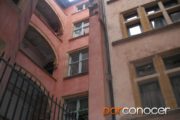
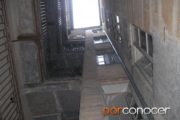
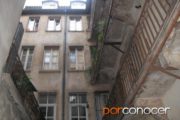
When we visit unfamiliar countries, it is common to stumble upon places that, although they were not part of our planned itinerary, surprise us in a positive way and, for some reason, end up winning us over. That is what happened to me during my visit to old Lyon. Without looking for it, we came across something as traditional and almost as old as the city itself: the traboules. “Traboule” is a Lyonnais word that comes from the Latin “trans-ambulare” and means to pass through. Traboules are narrow passageways and courtyards that run beneath buildings, connecting one street with another.
But traboules are not unique to Lyon; in other French cities we can also find them, even under another name, as is the case in Saint-Étienne, Chambéry, Villefranche or Marseille. Whatever they were called, all these passageways had the same purpose in the Middle Ages: to save time for their citizens. In Lyon, for example, their original purpose was to let residents reach the Saône River quickly to fetch water. Later, communal wells were built in the courtyards, and they ended up being used for other chores.
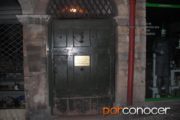
Today, they serve mainly to delight tourists, who feel transported to bygone eras. In some of their alleys you can find a shop selling medieval clothing and accessories that tries to capitalise on the appeal of the traboules and gives them an even greater sense of realism. The most curious thing, at least from my point of view, is that the buildings above the traboules are still inhabited. A plaque at the entrance to the passageway reminds visitors of this: “Please respect the residents’ peace and quiet”.
At first, many residents complained about the lack of hygiene, the cost of maintenance and, at times, the poor sense of safety in the traboules, and as a result they were left to fall into neglect. For this reason, in 1990, a kind of agreement was reached between the government and the residents so that all these shortcomings would be resolved in exchange for the traboules becoming public spaces for the enjoyment of any citizen who chose to pass through them.
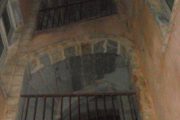
Personally, I recommend visiting one of the more than 300 traboules the city has, or any of the others scattered across other cities. It is a mix of sensations: a gloomy place where every corner is occupied by flickering shadows, yet at the same time it draws you in with its low ceilings, its wooden railings and windows, and its doors worn down by the passing of time.